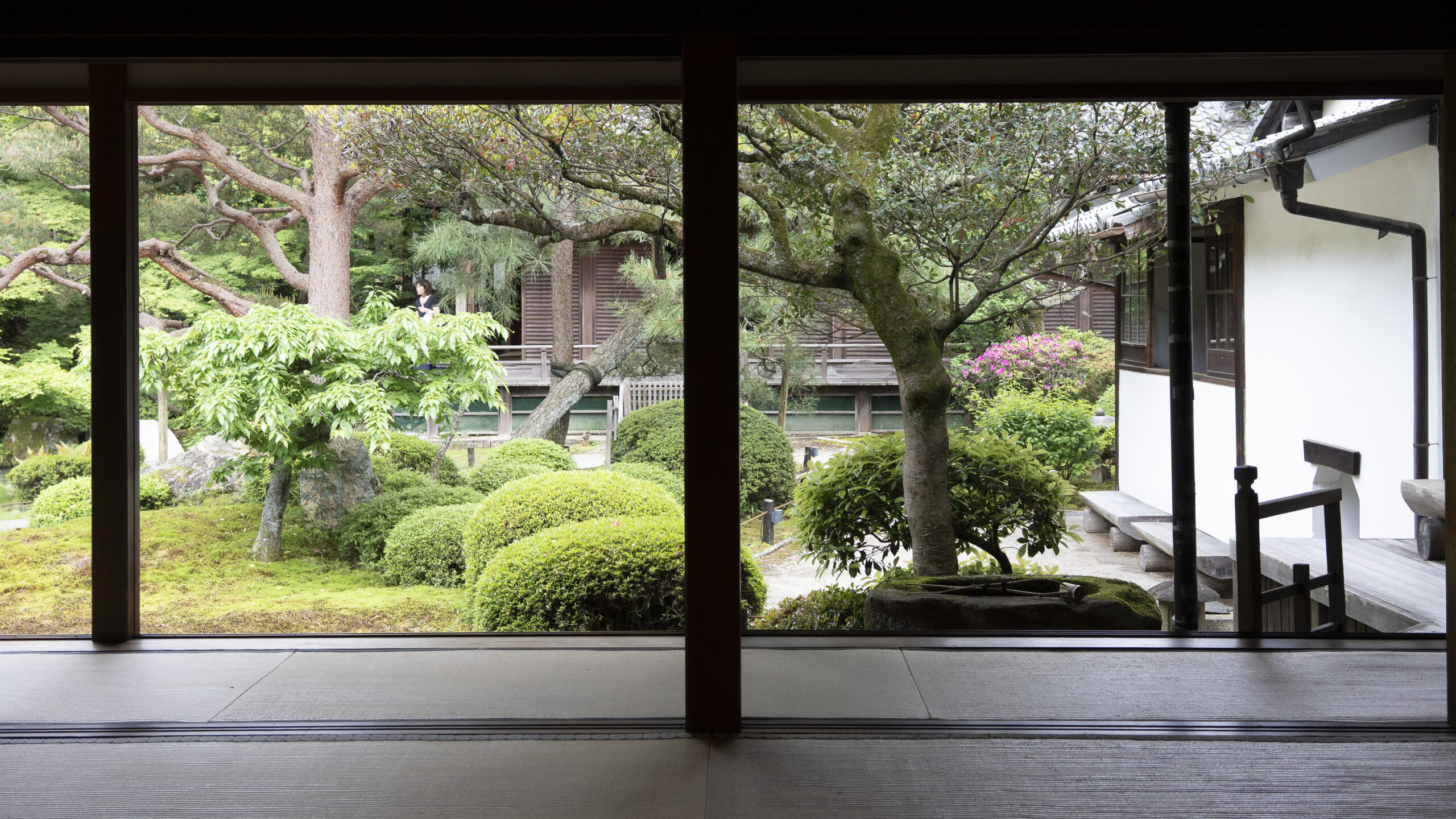
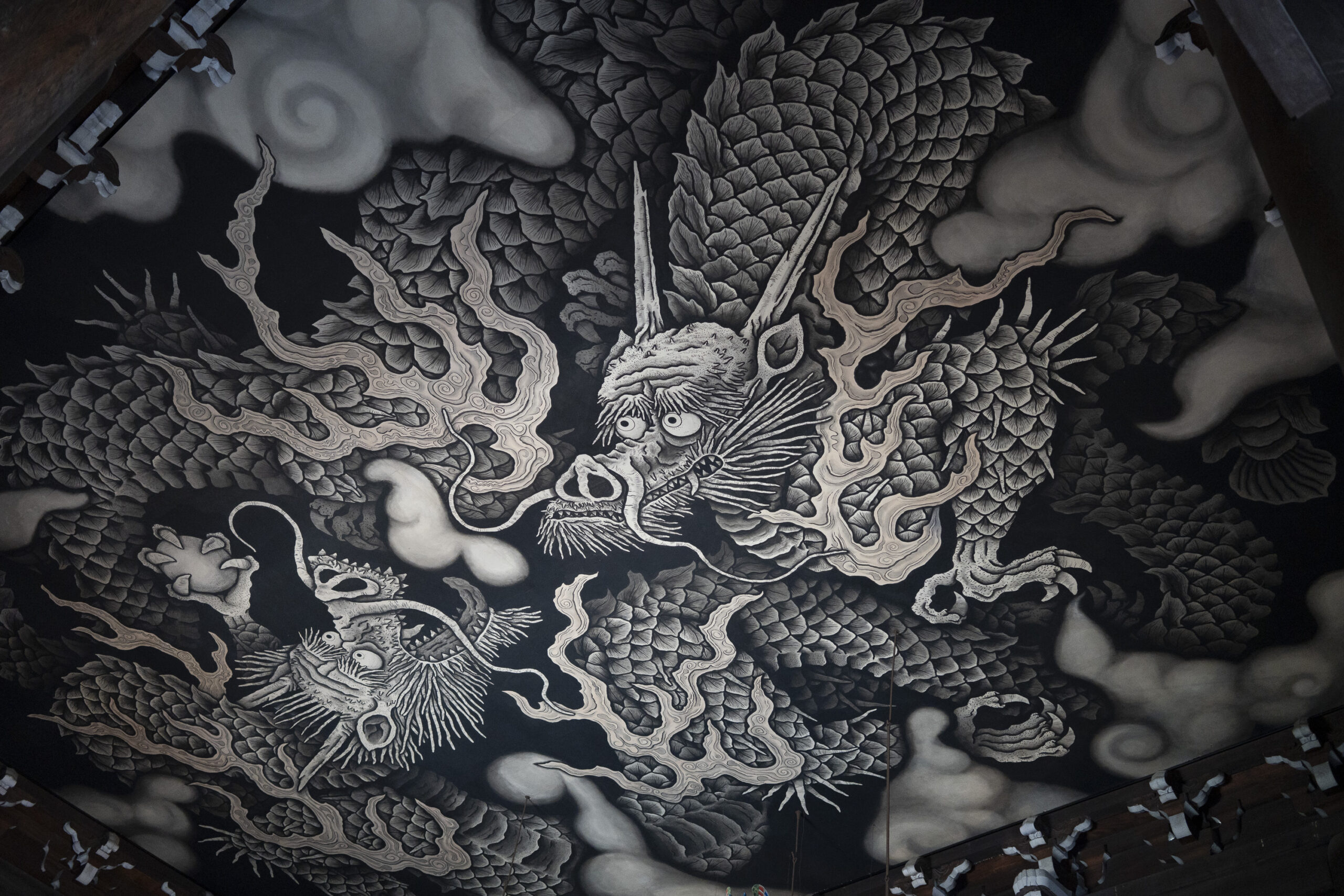
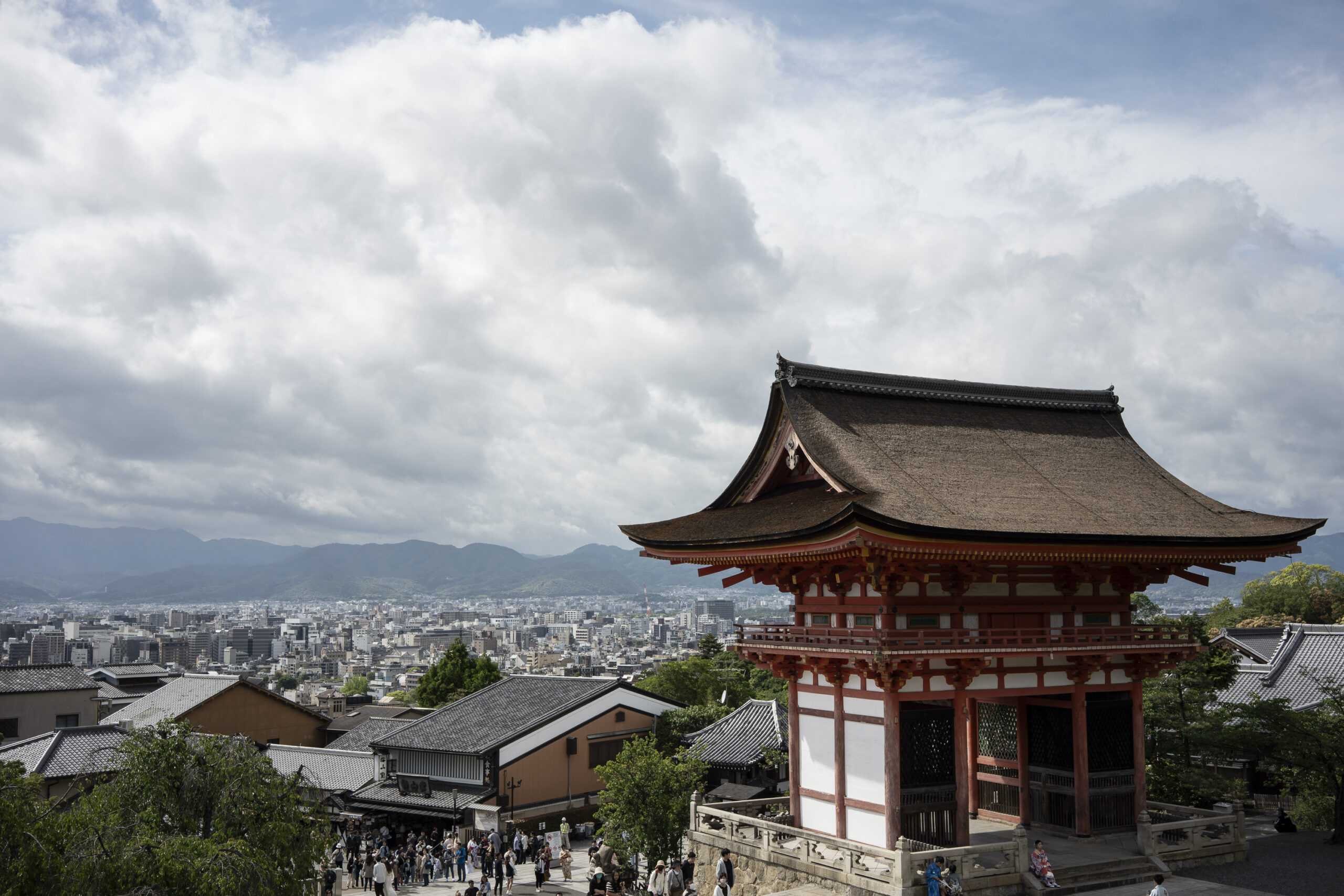
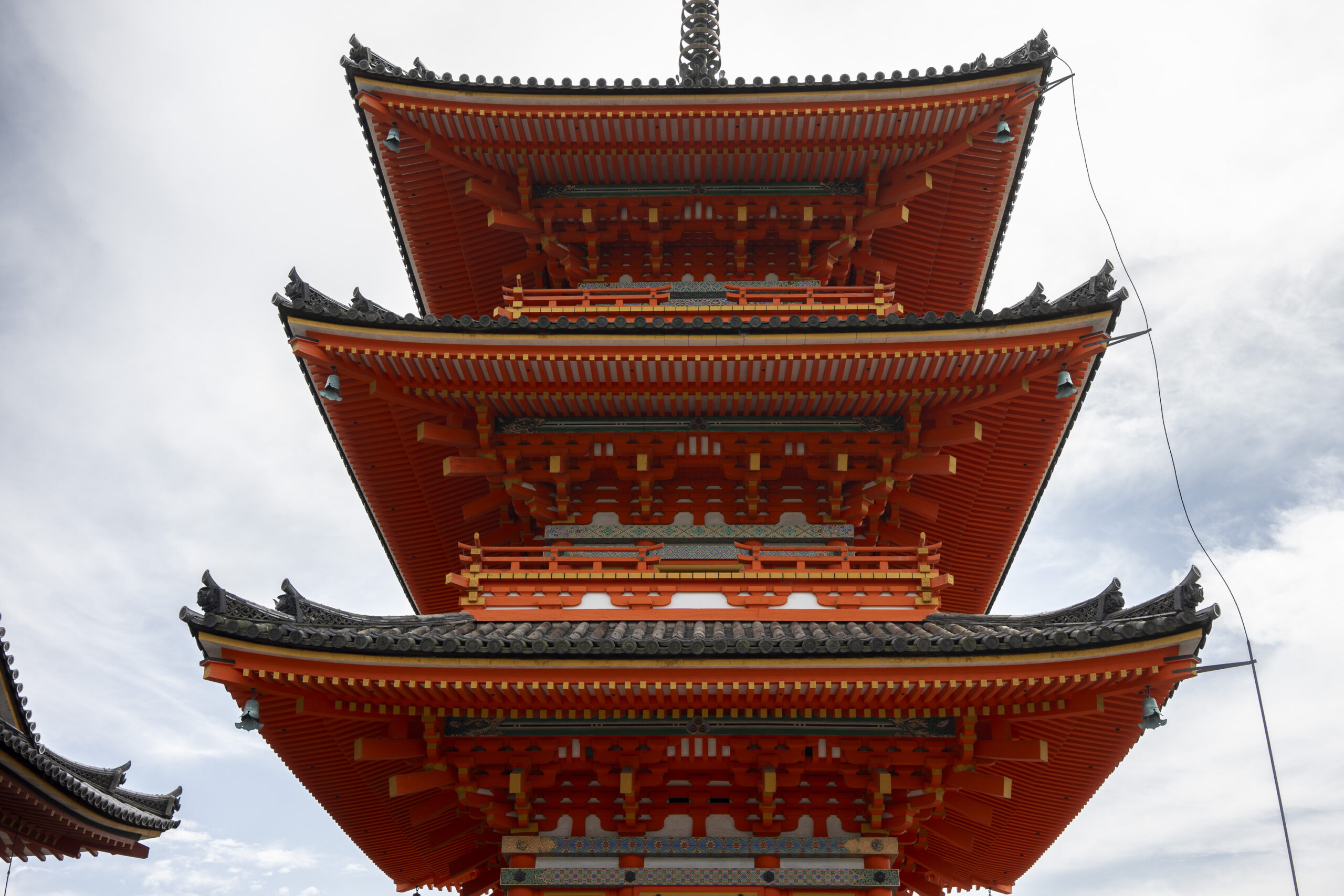
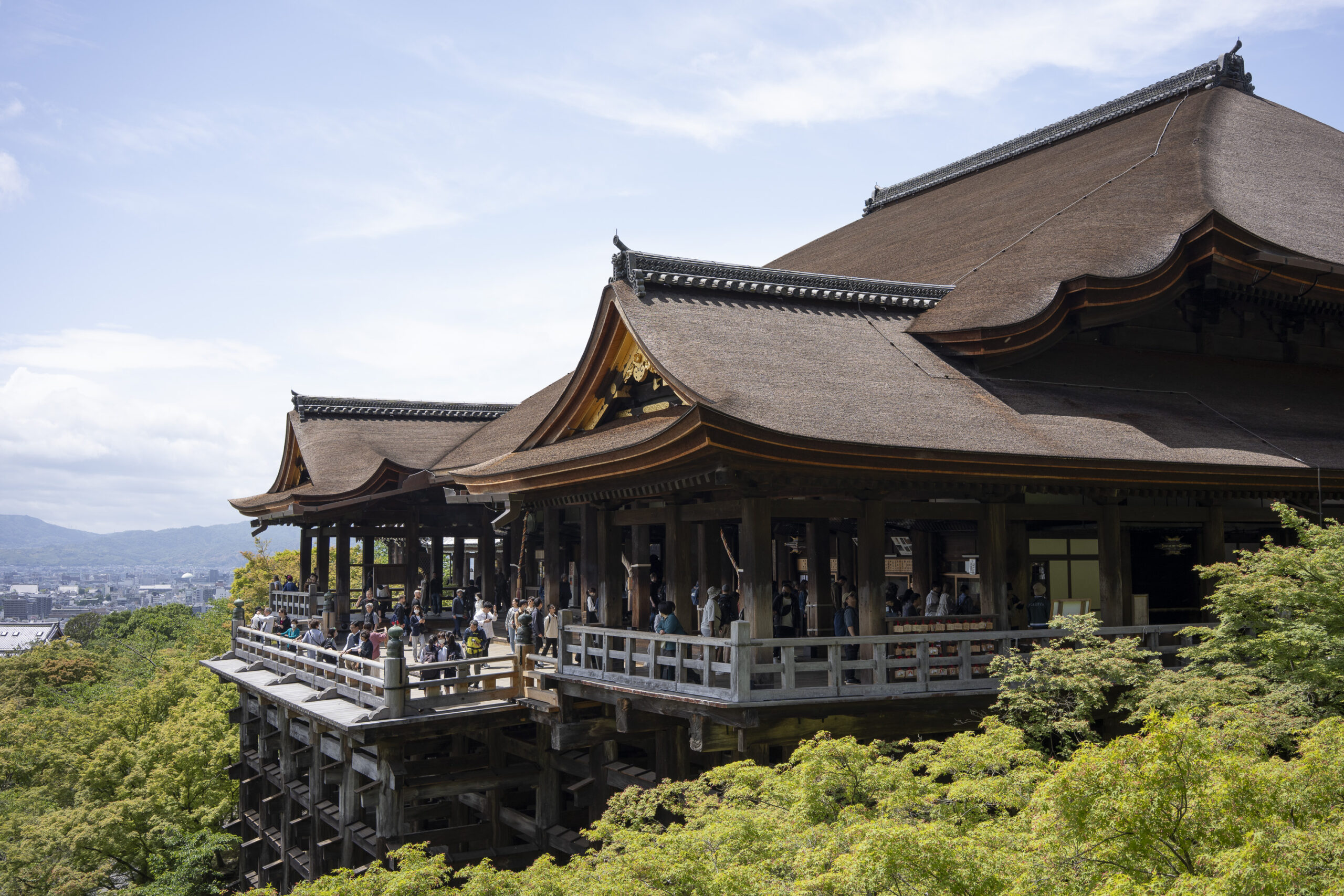
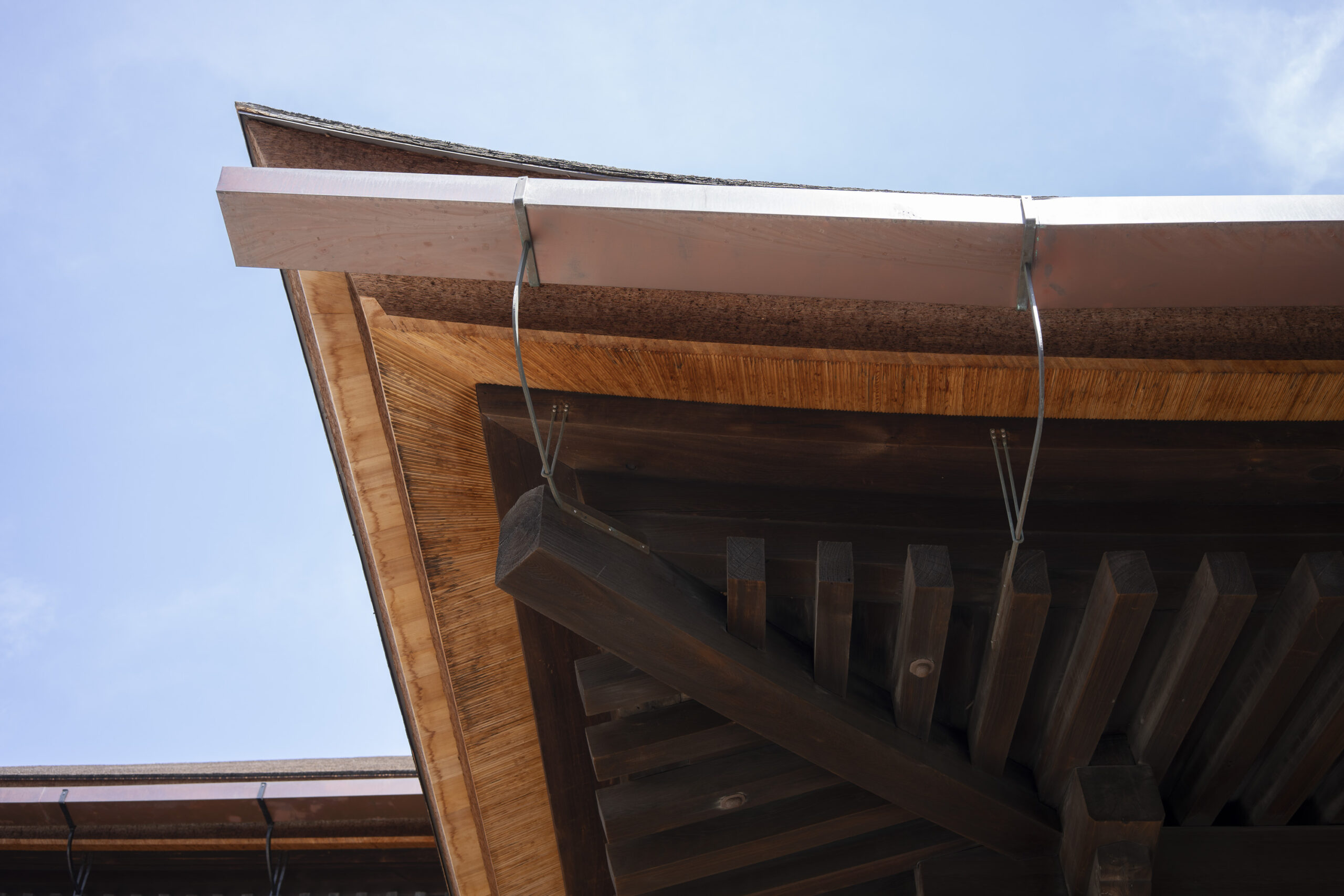
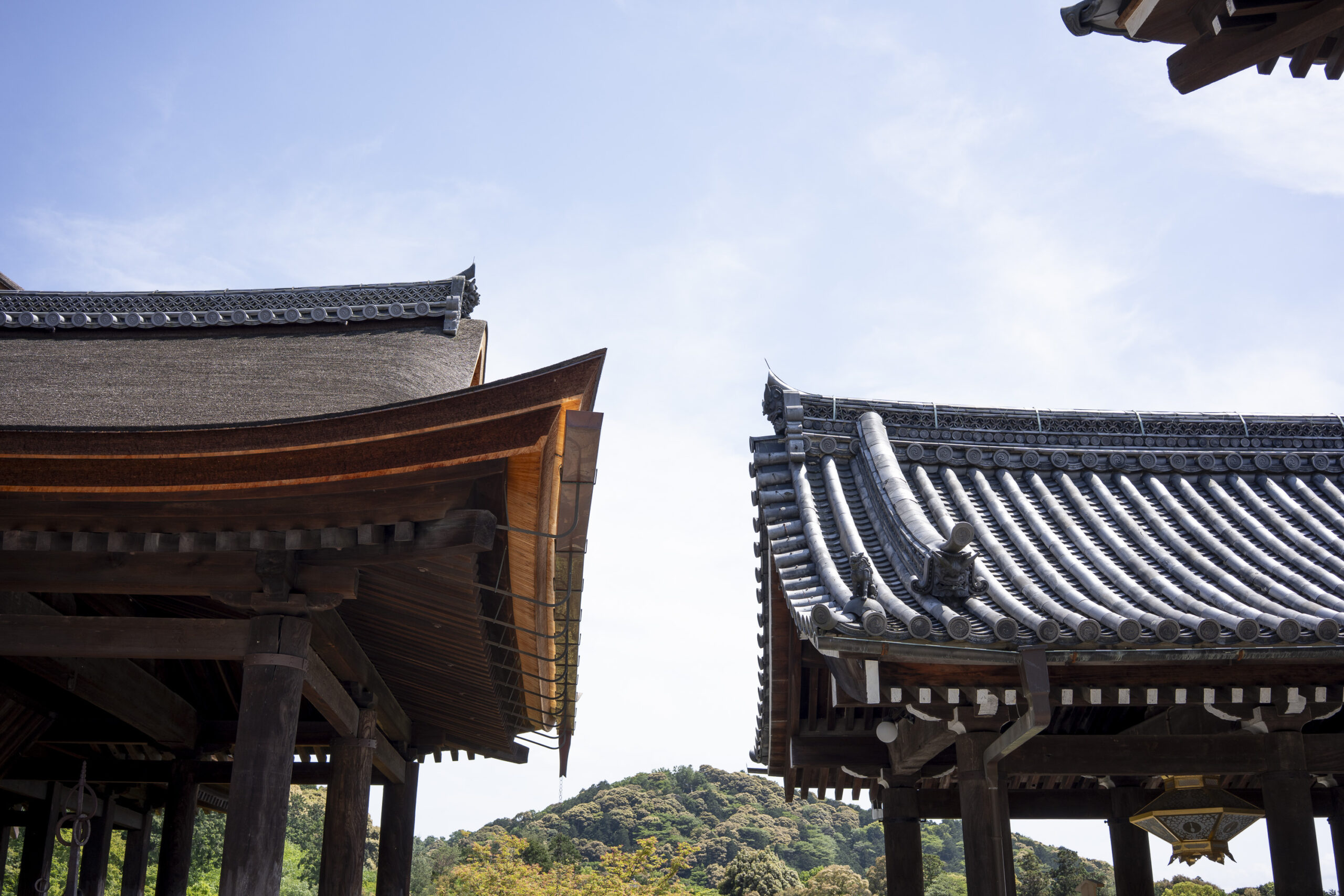
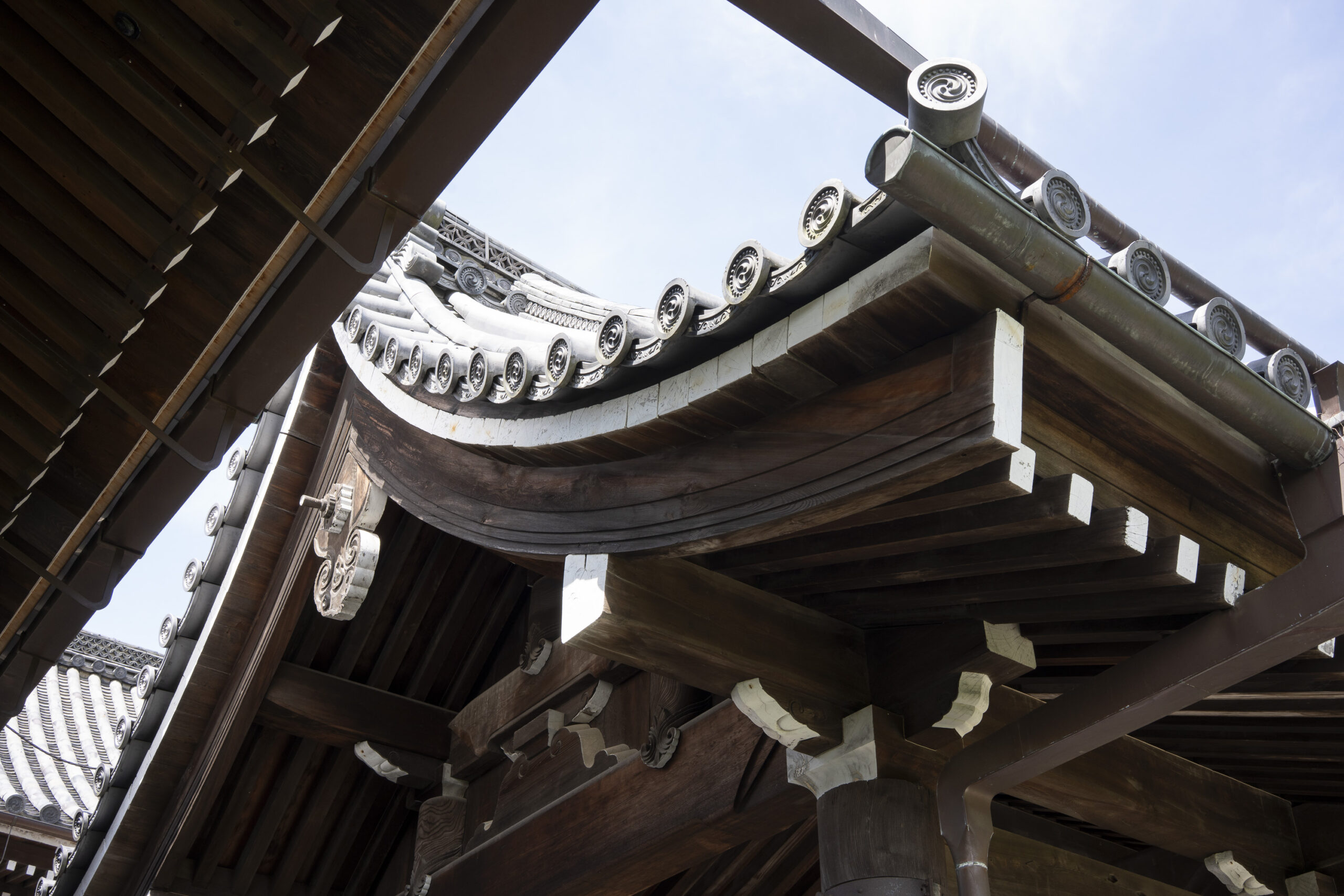
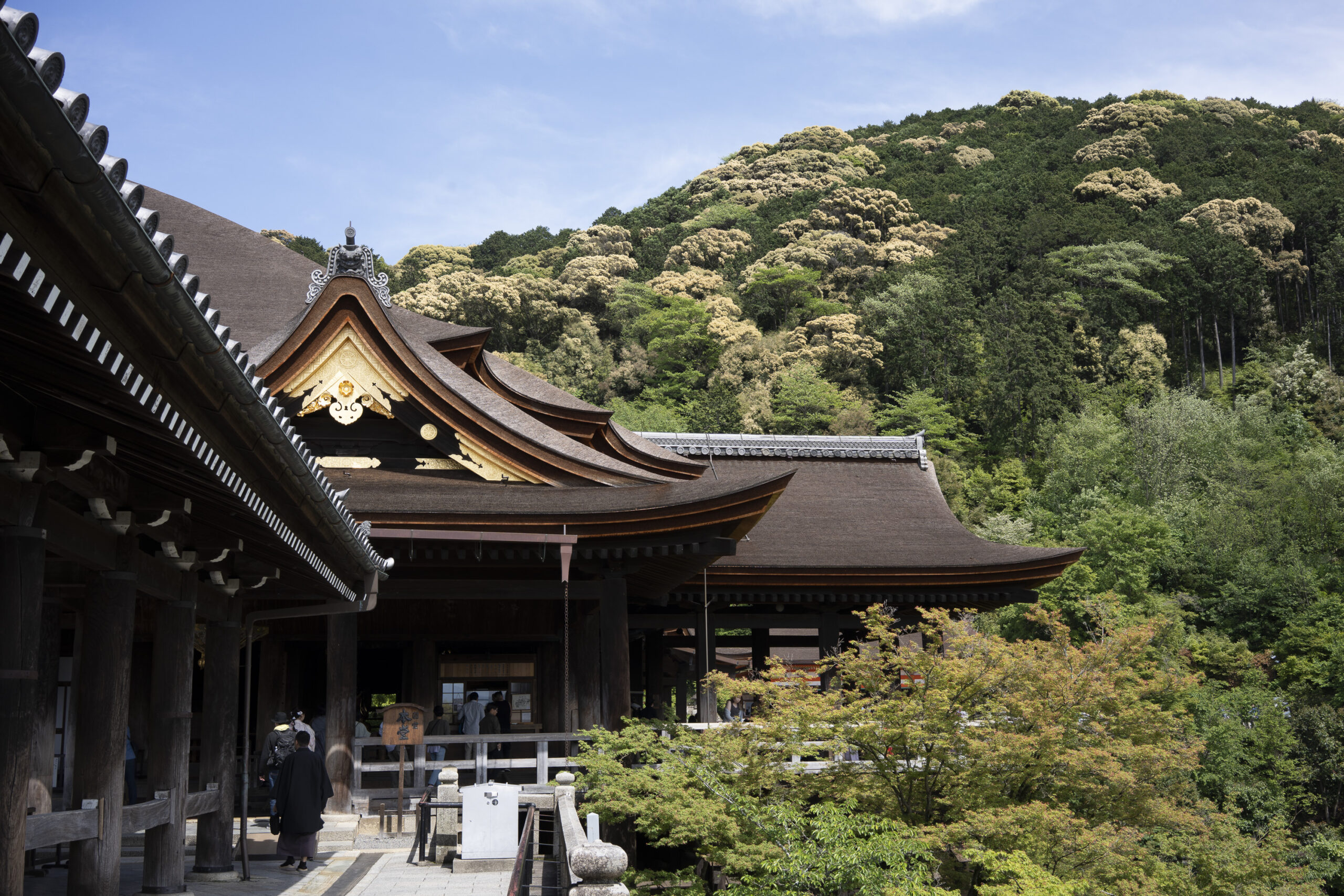
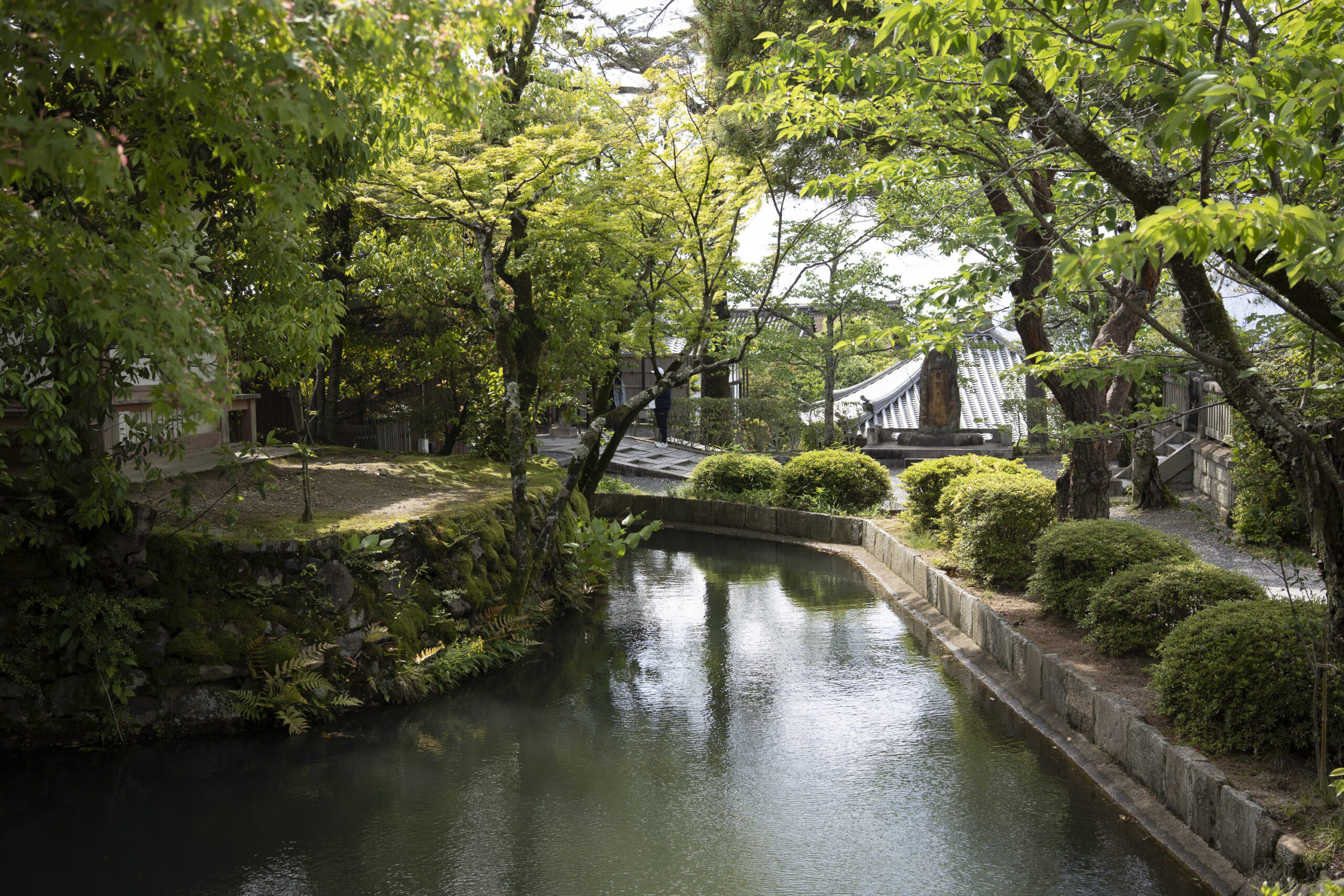
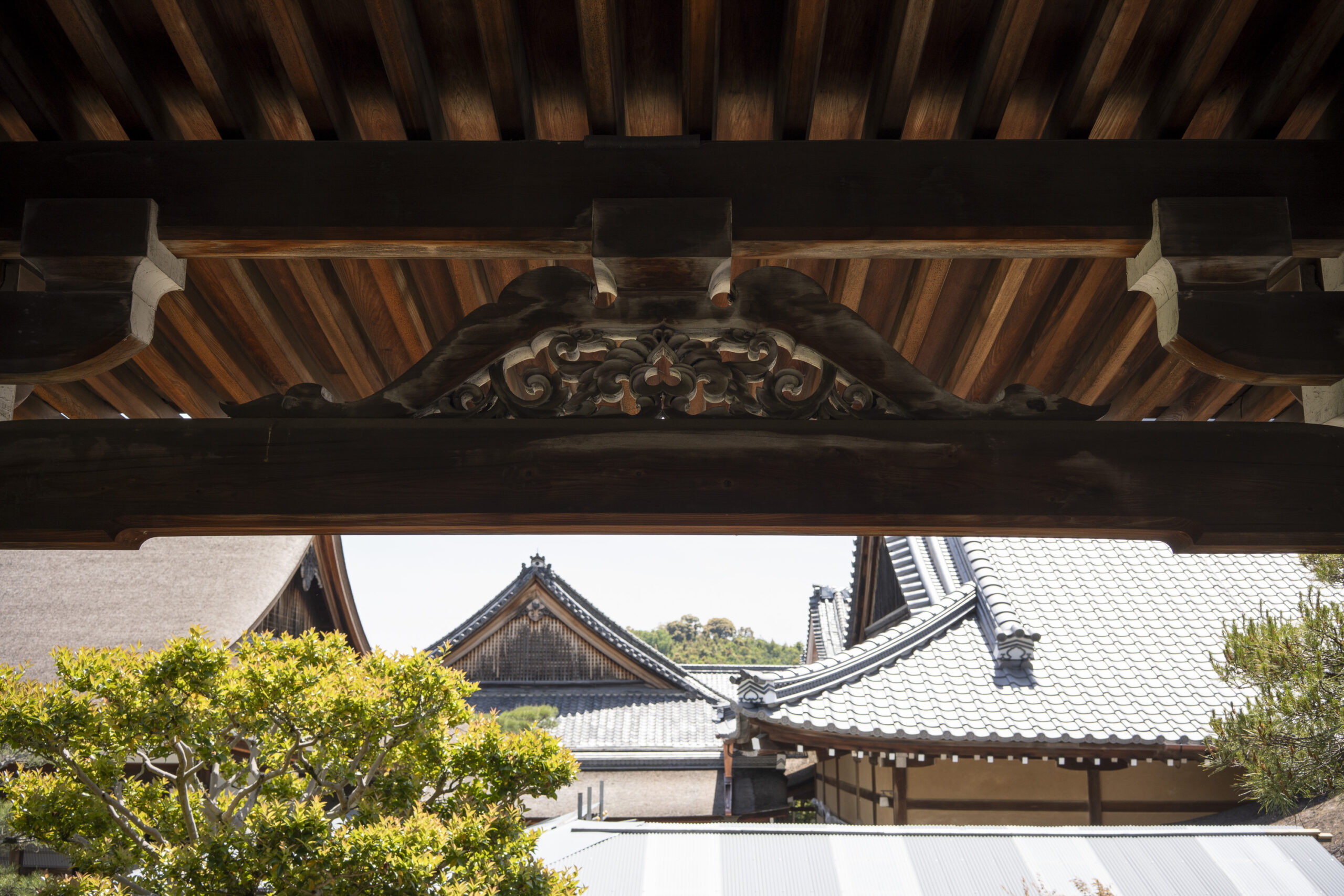
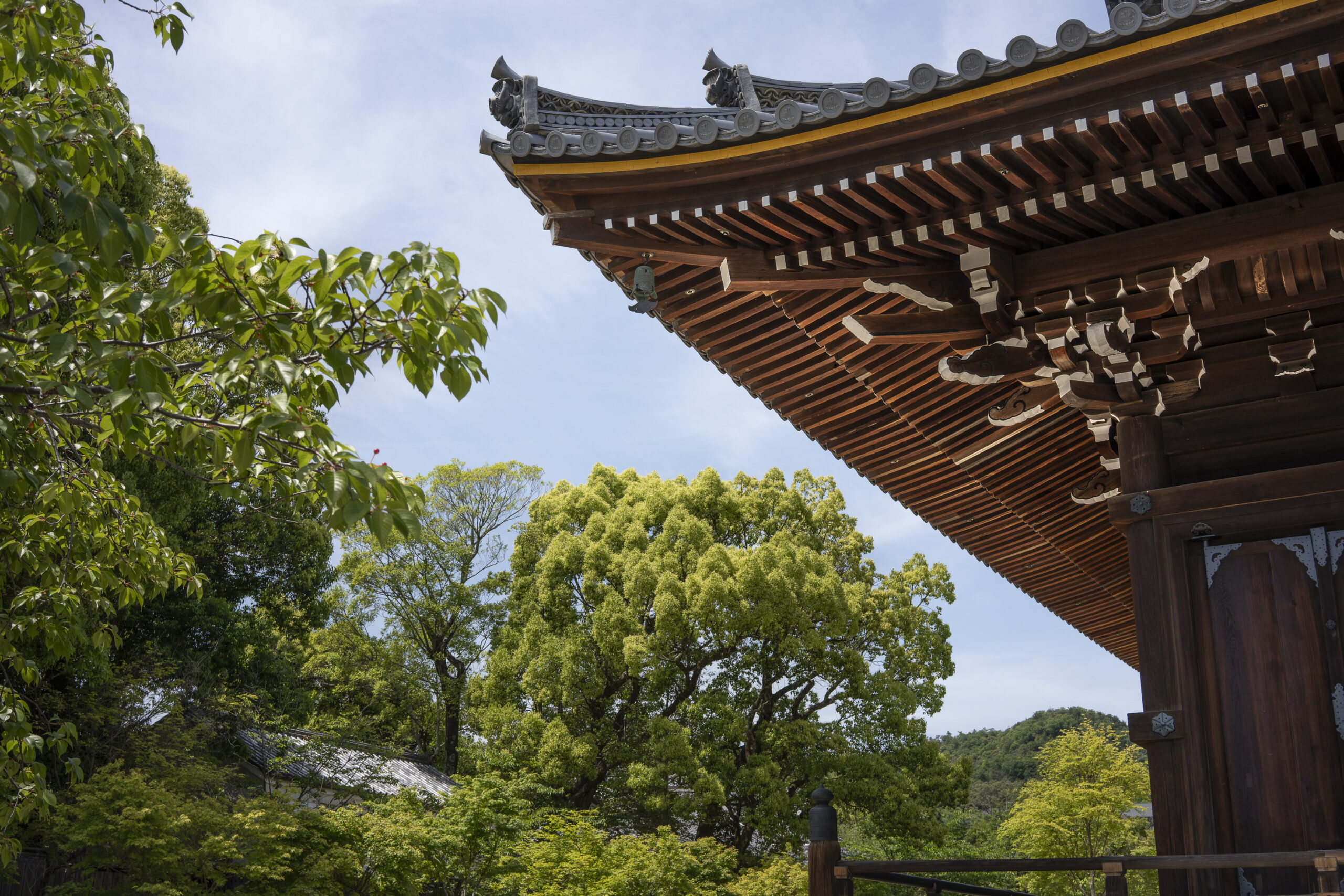
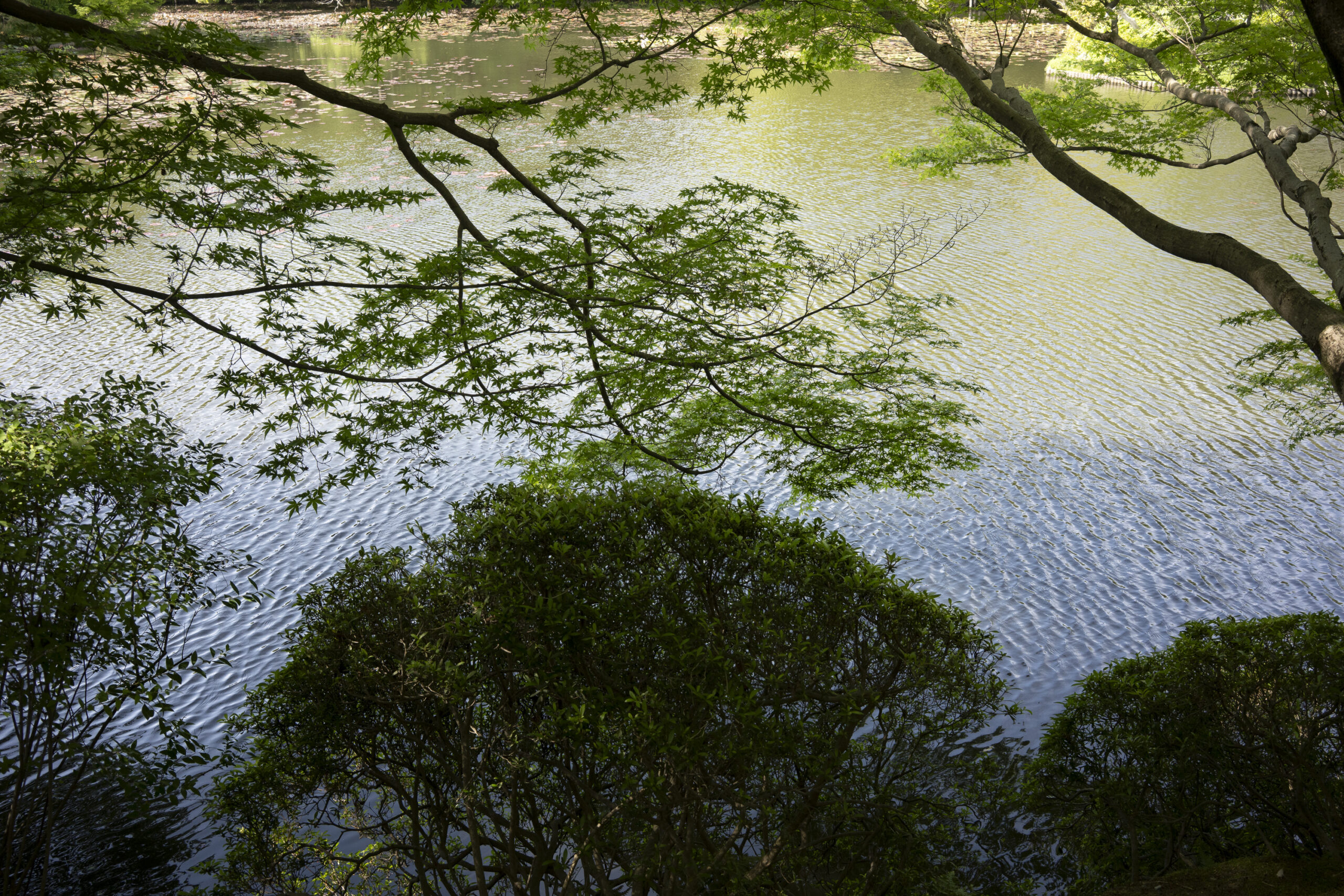
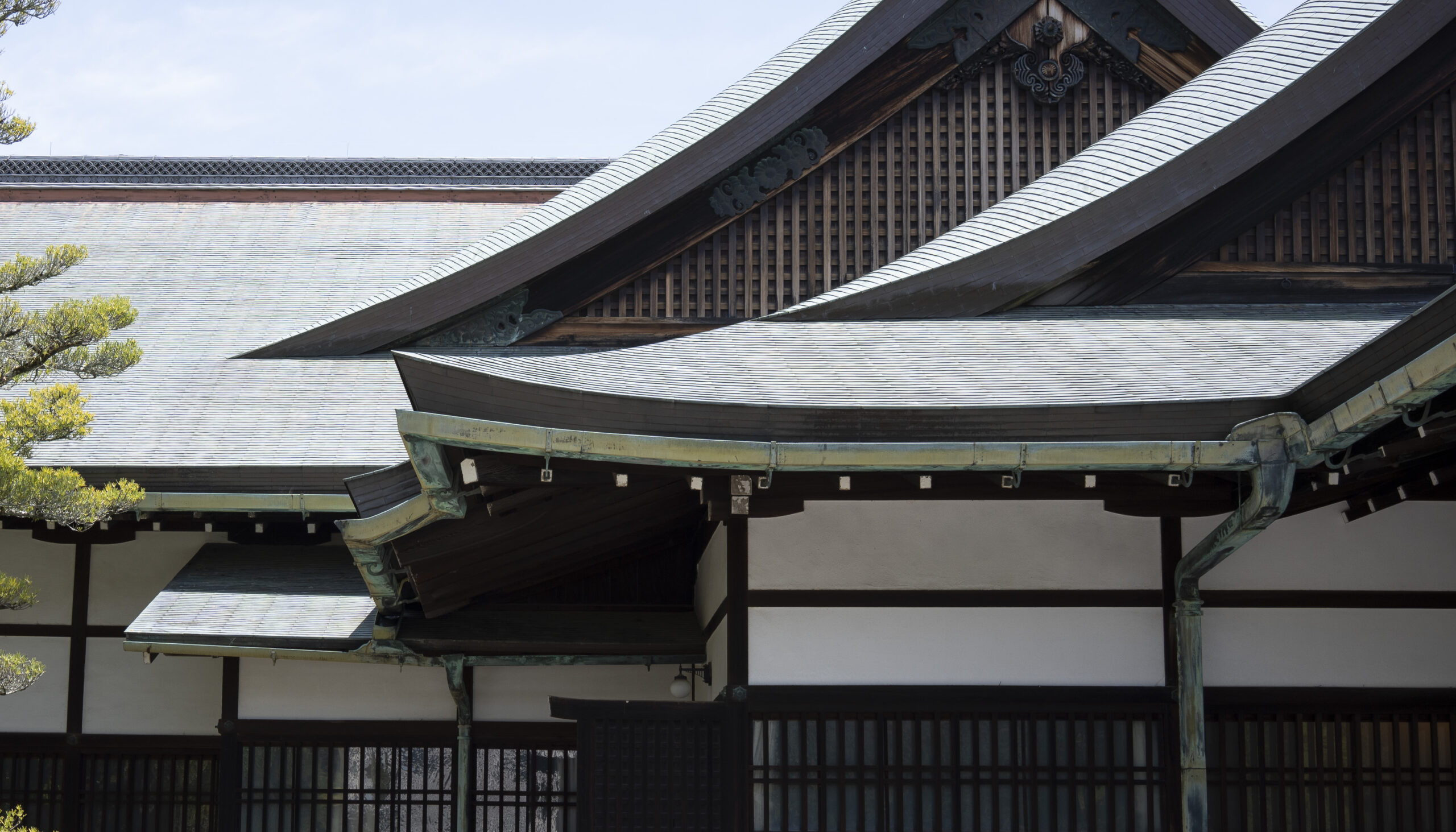
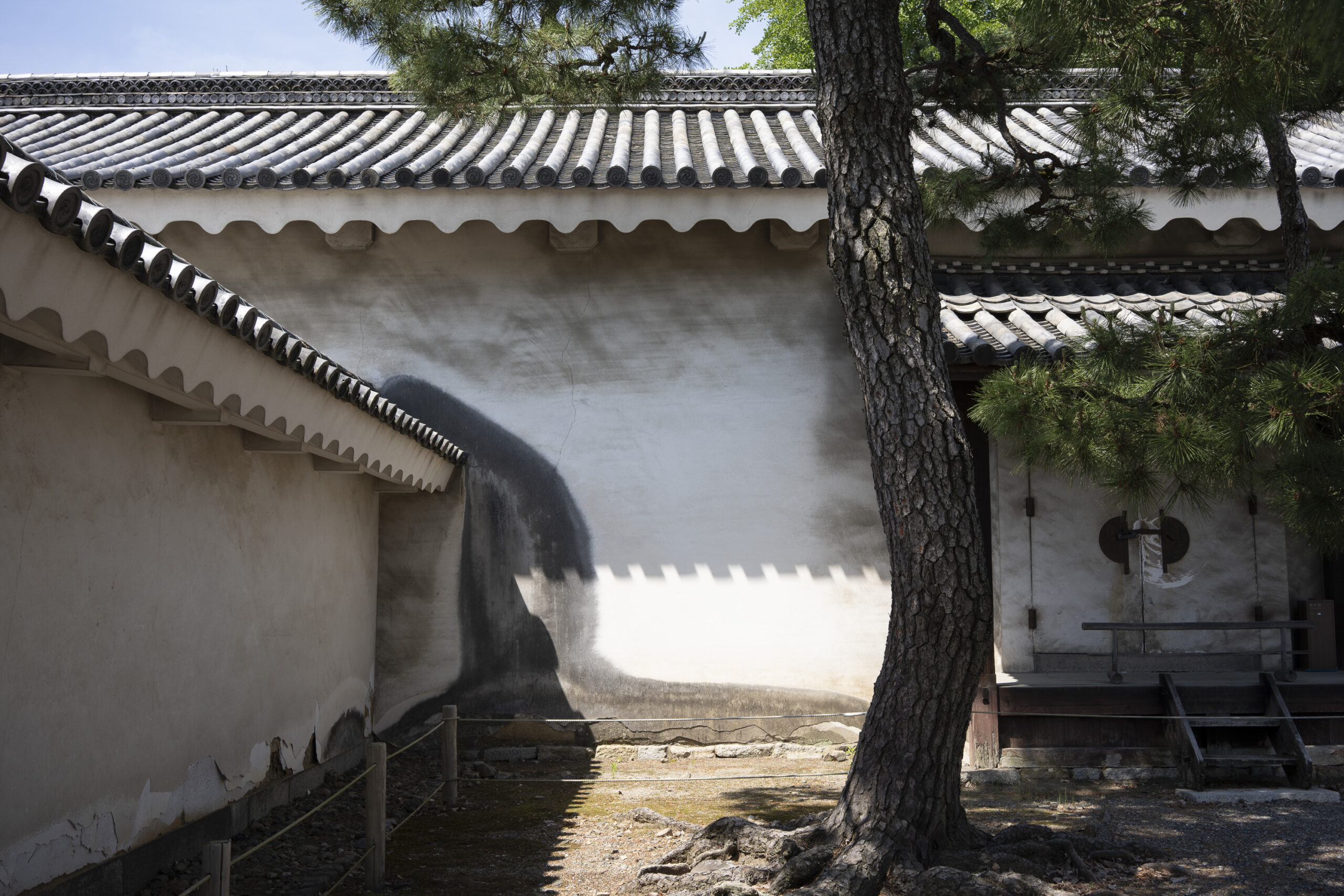
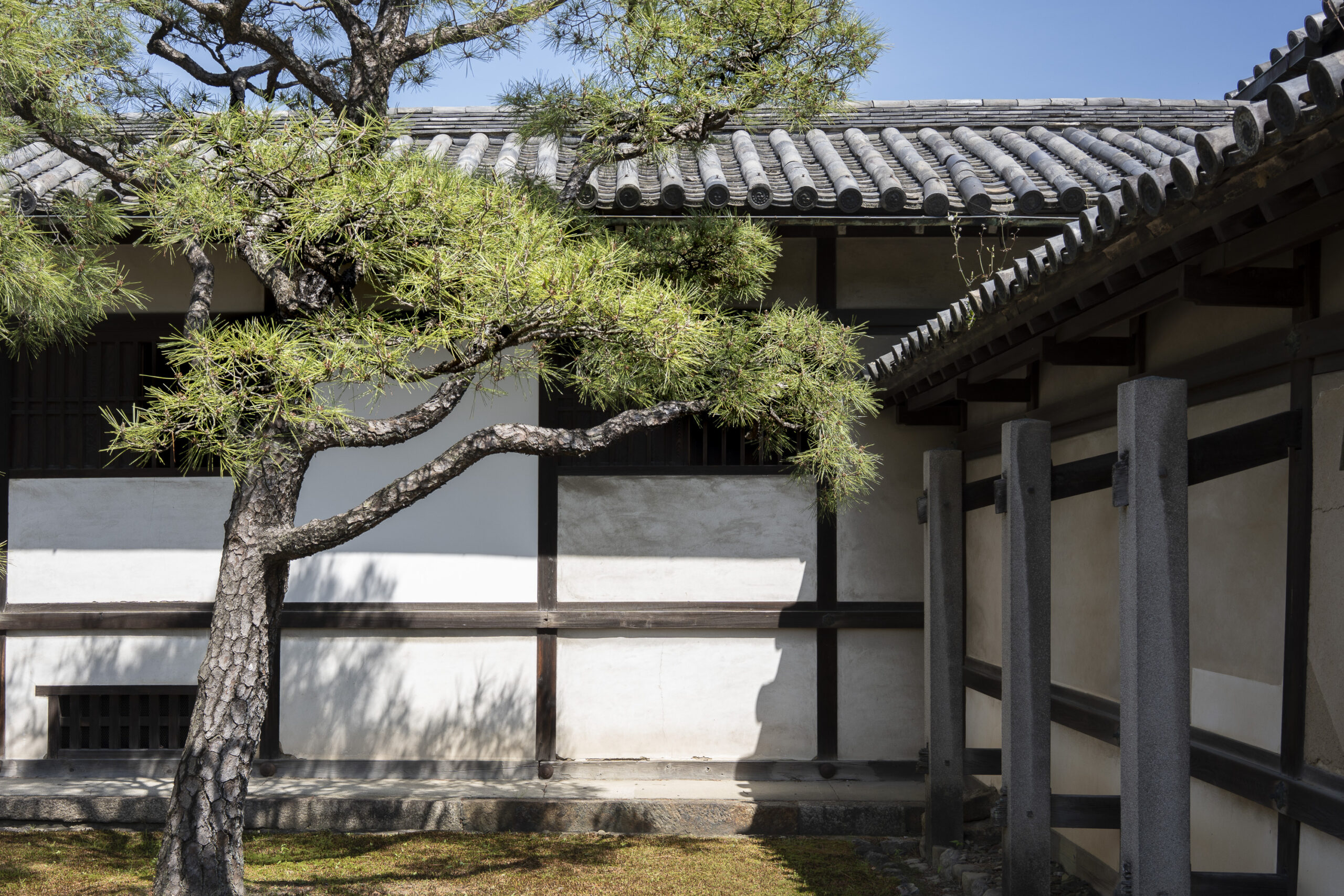
Kyoto, considered Japan’s cultural center, is in the south-central region of Honshu, Japan’s largest island. The city is a little over 2 hours from Tokyo on the Shinkansen, Japan’s bullet train, and less than an hour from Osaka and Kobe. It has a large number of cultural heritage sites, including numerous shrines and temples, owing to the fact that the city did not experience widespread destruction during World War II. Emperors ruled Japan from Kyoto for about 1,100 years, from about 800 CE to the mid-19th century. The city’s name literally means “capital (kyo) city (to)”. (Tokyo means east (to) capital (kyo)). I traveled to Kyoto in 2023, after visits to Seoul and Gyeongju in South Korea. I had planned to stay for a few days, but ended up extending the visit to over a week. I loved the character of the neighborhood I was staying in, in central Kyoto, and wanted to see more and more of the classical gardens for which the city is known. In this post I’m sharing images from street scenes, temples, and palaces. In my next post I’ll focus on the gardens!
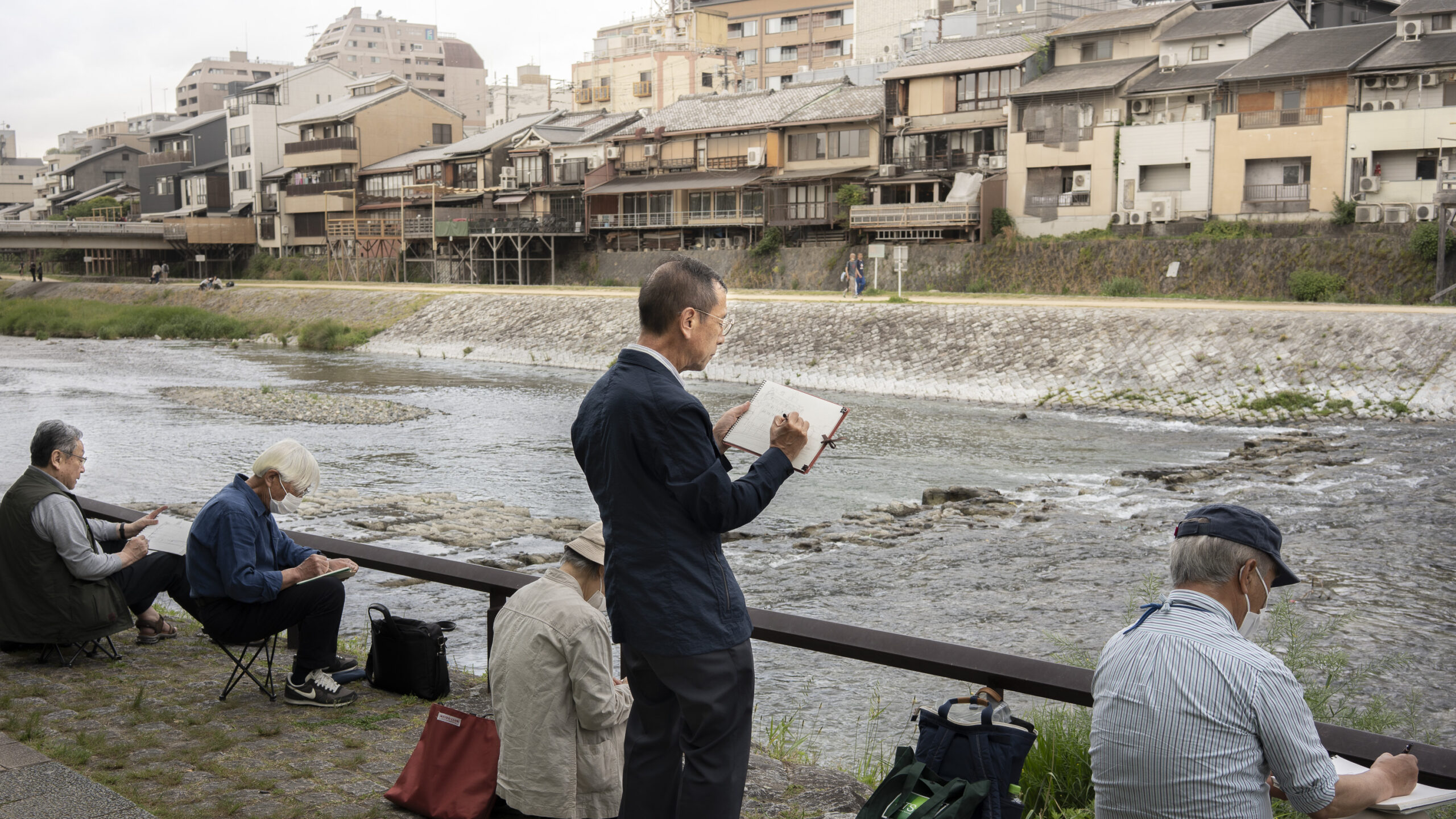
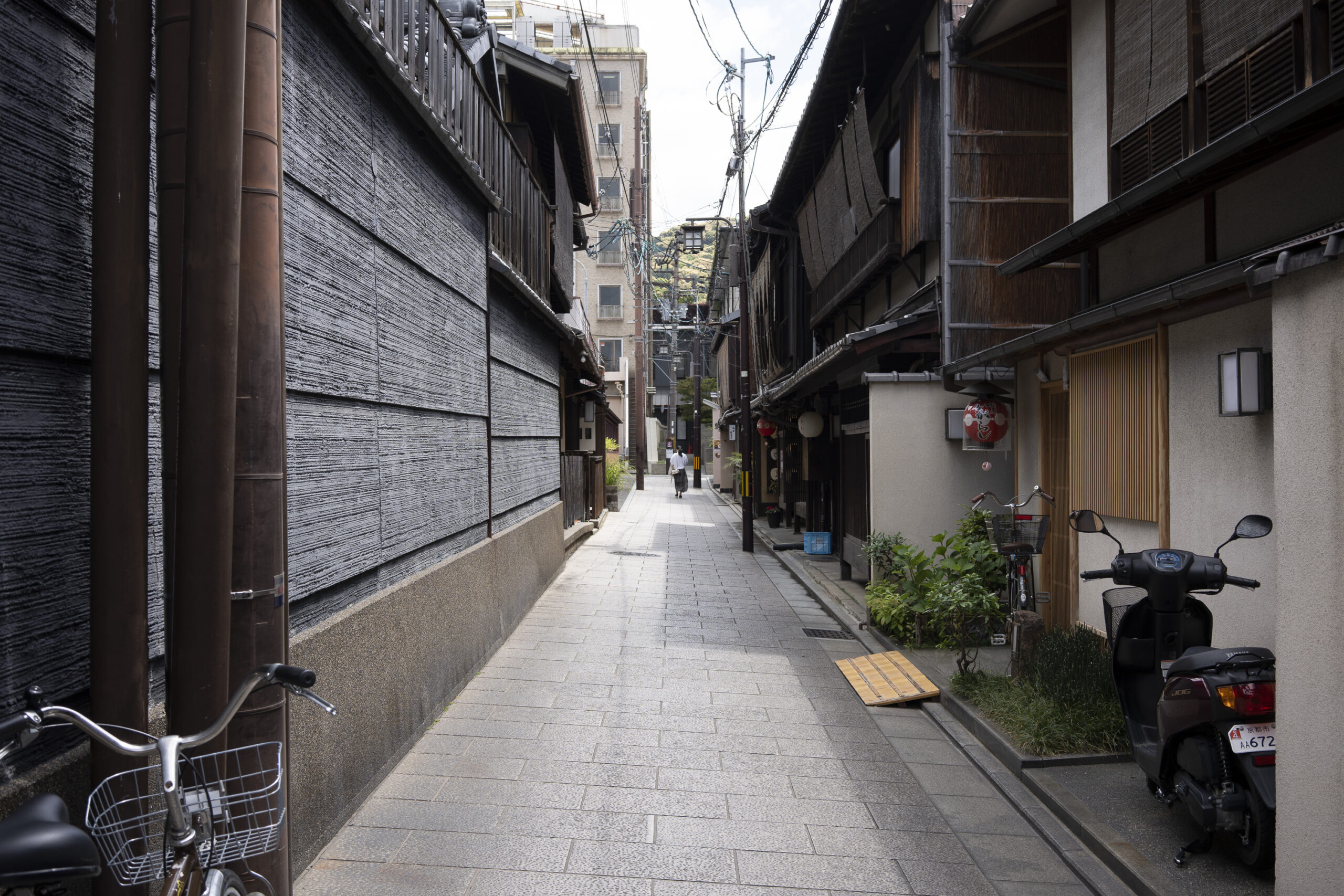
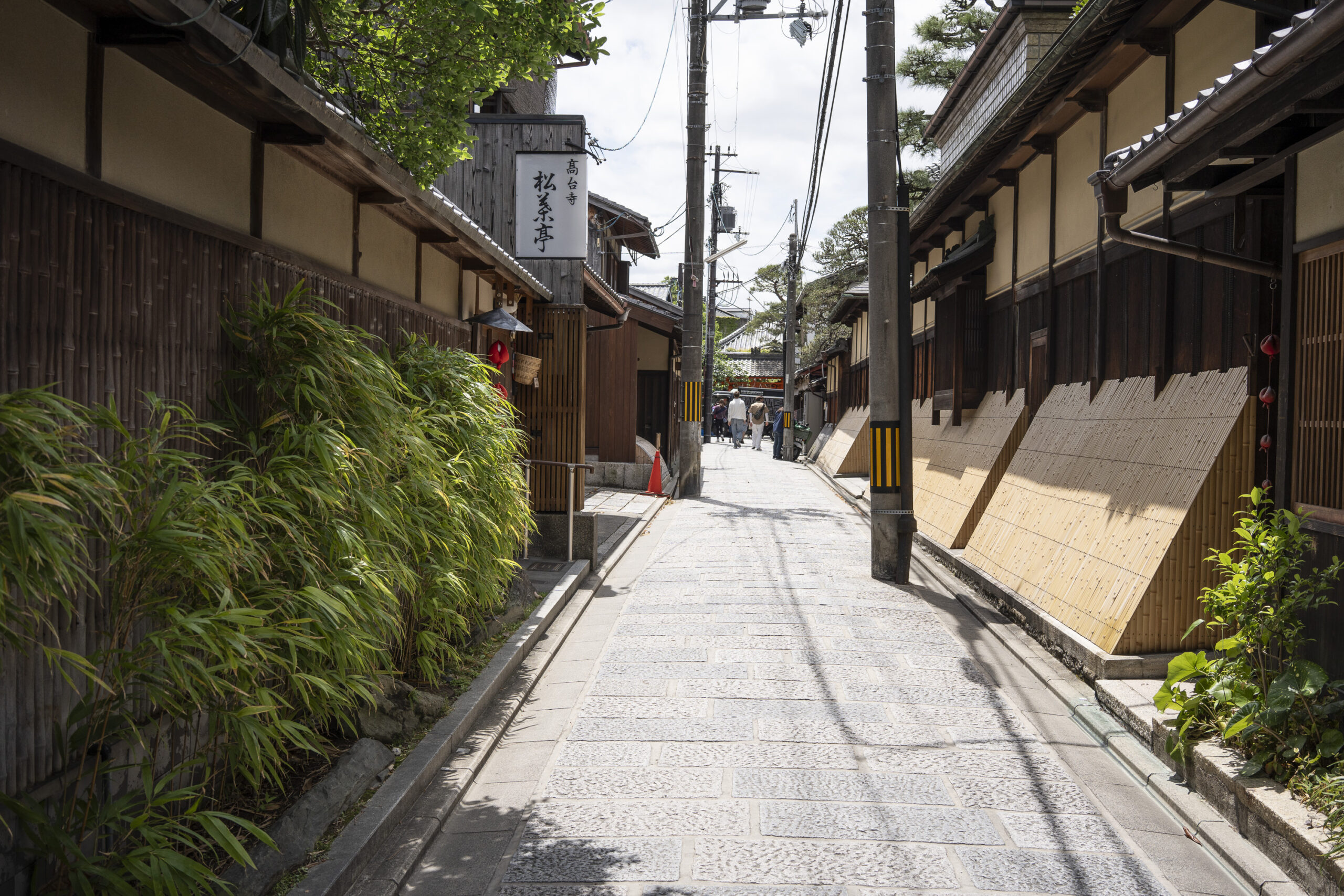
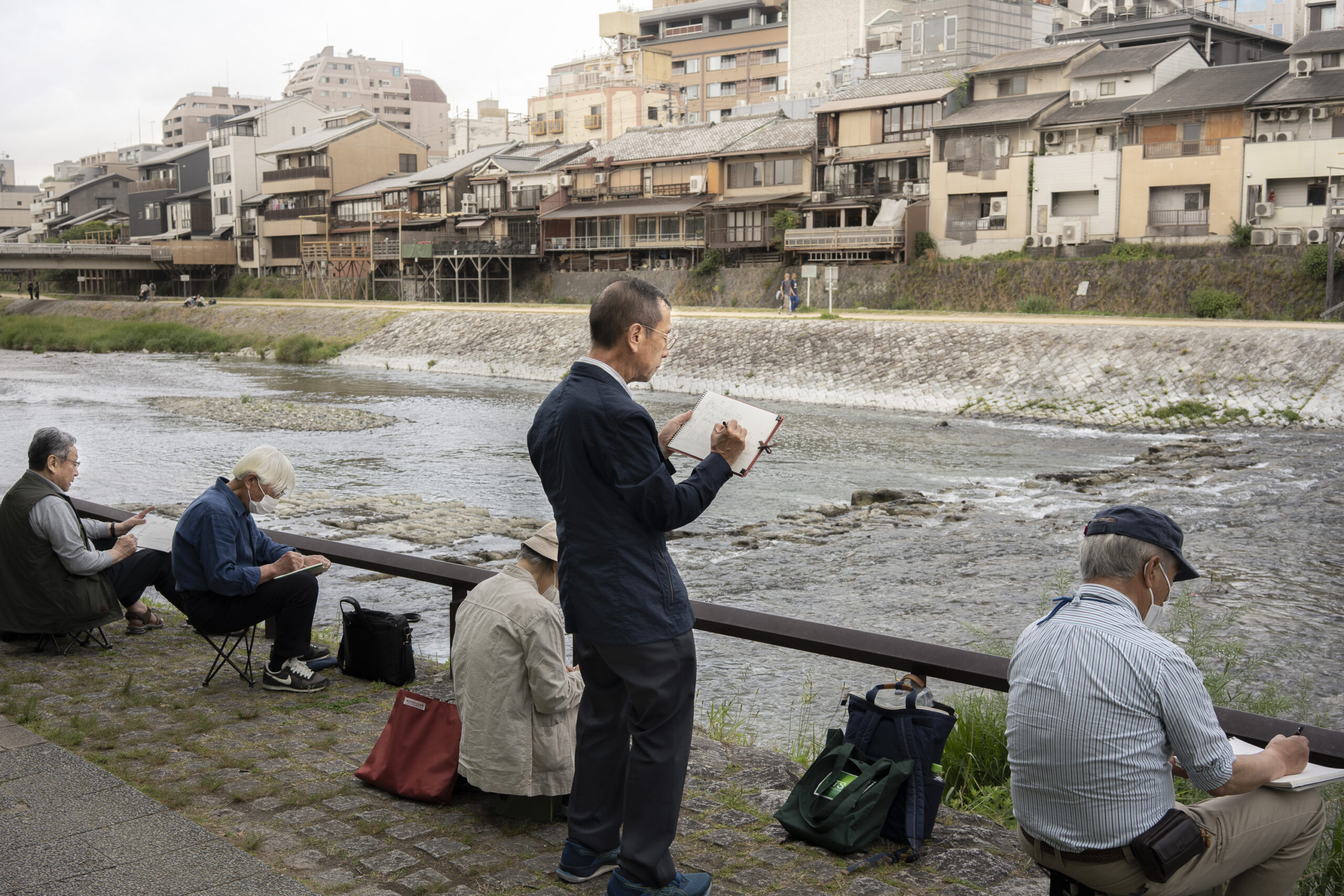
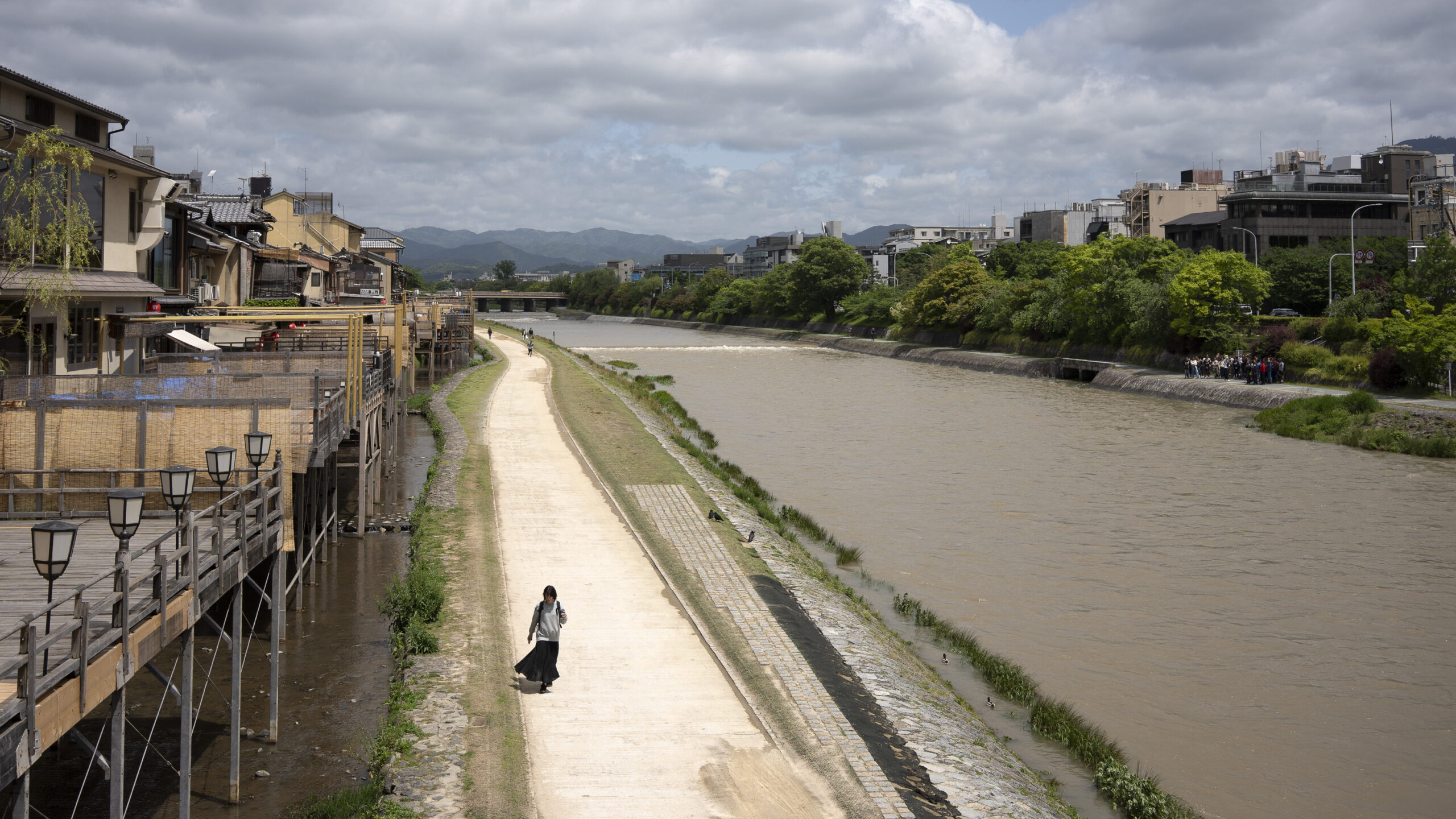
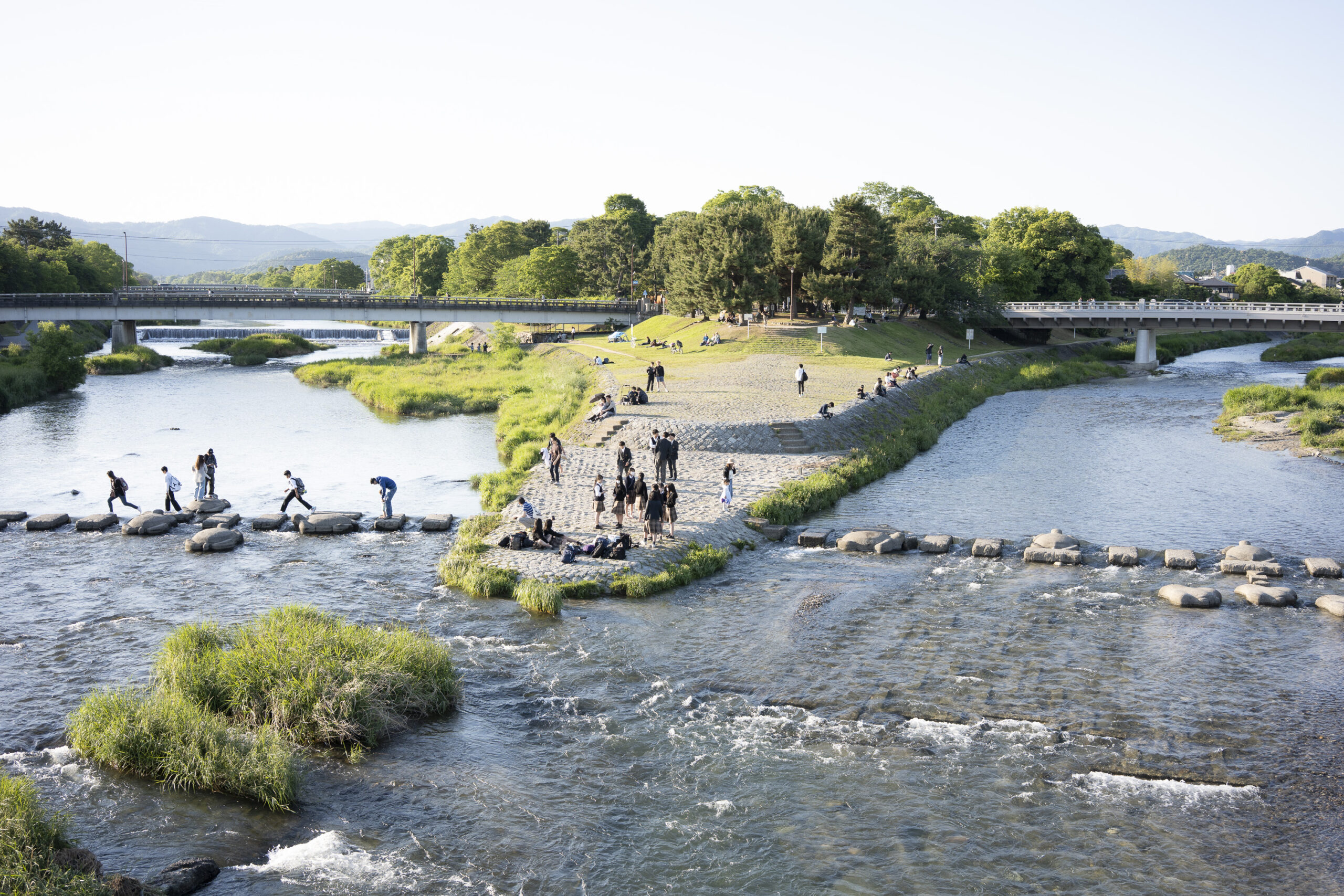
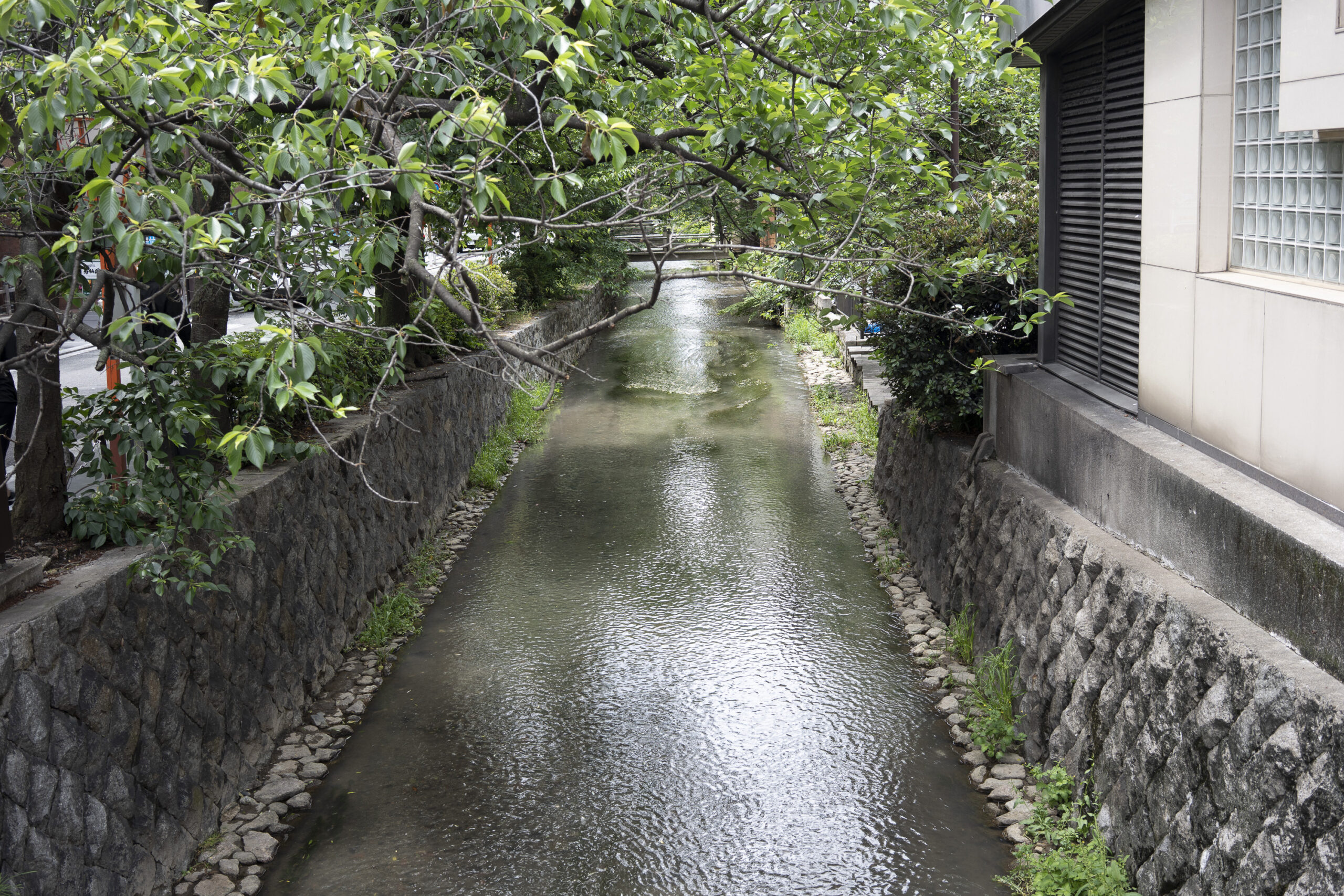
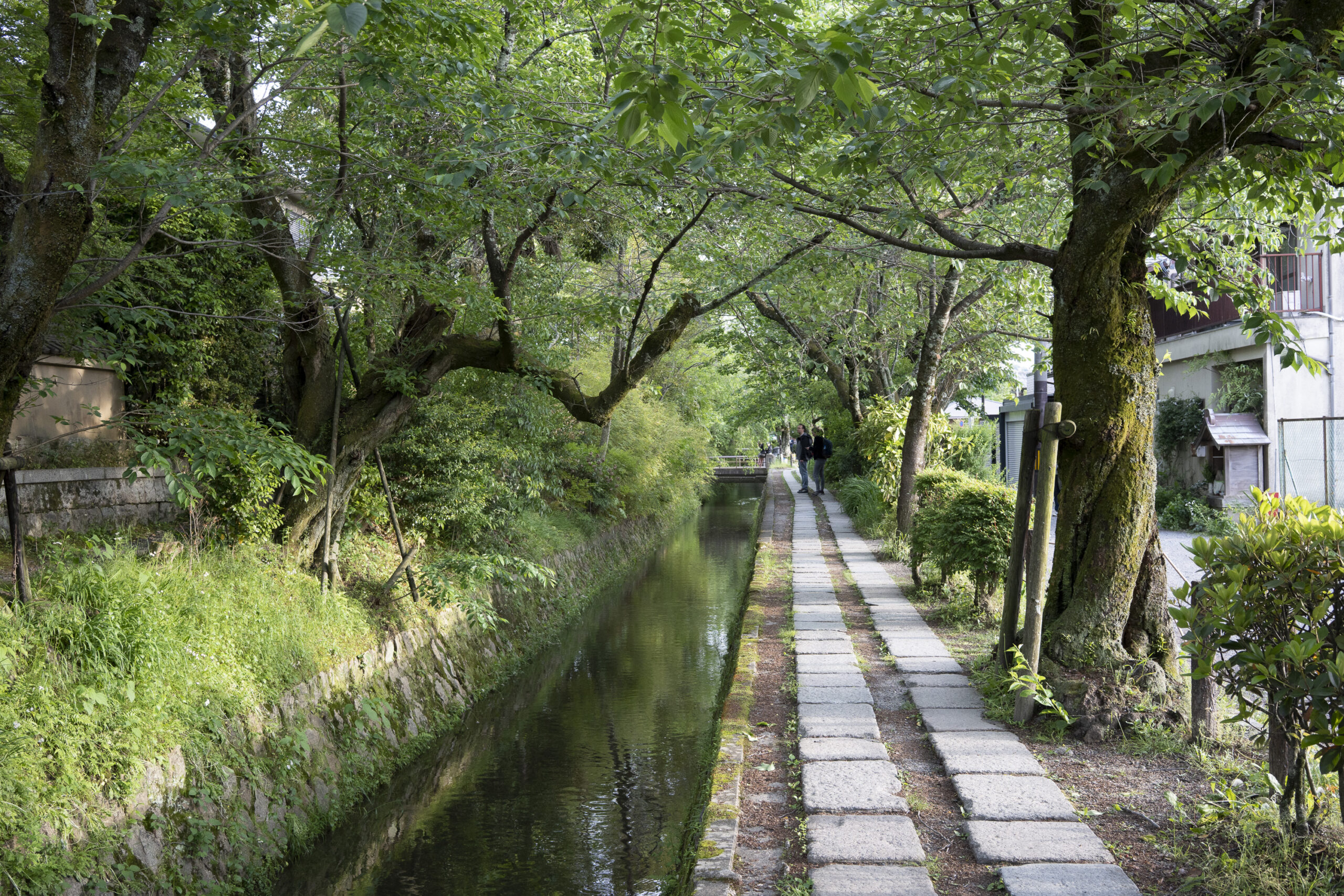
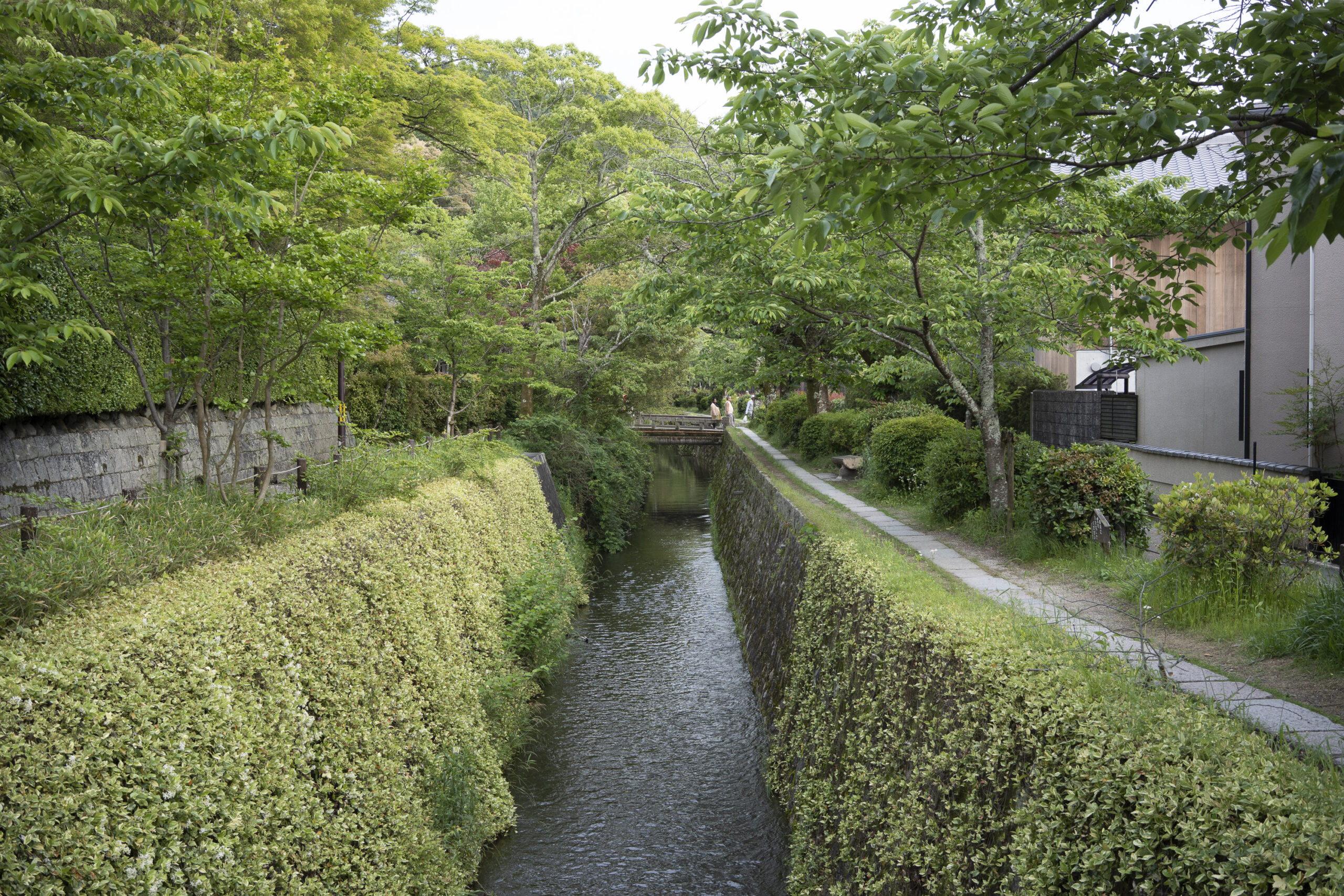
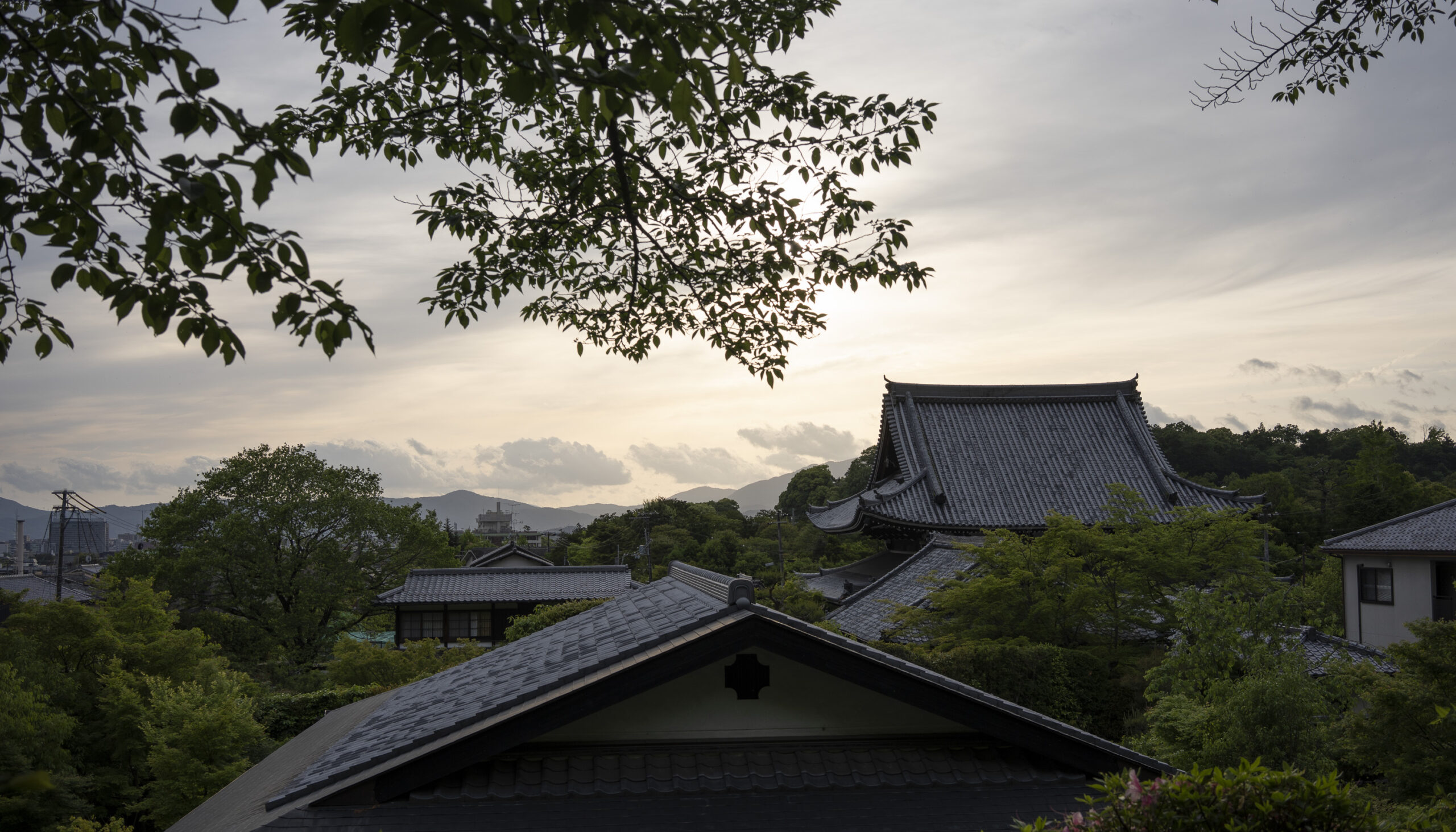
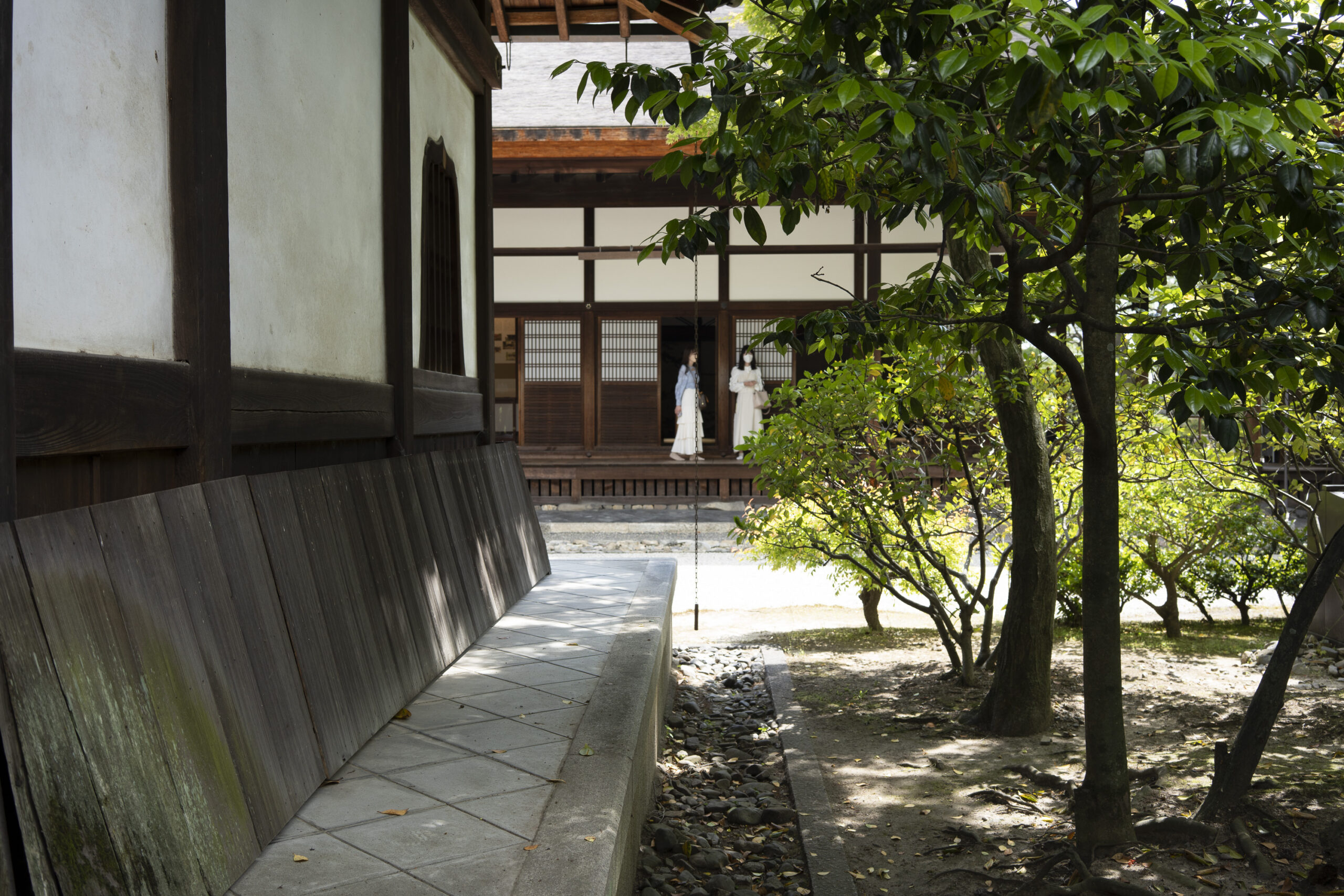
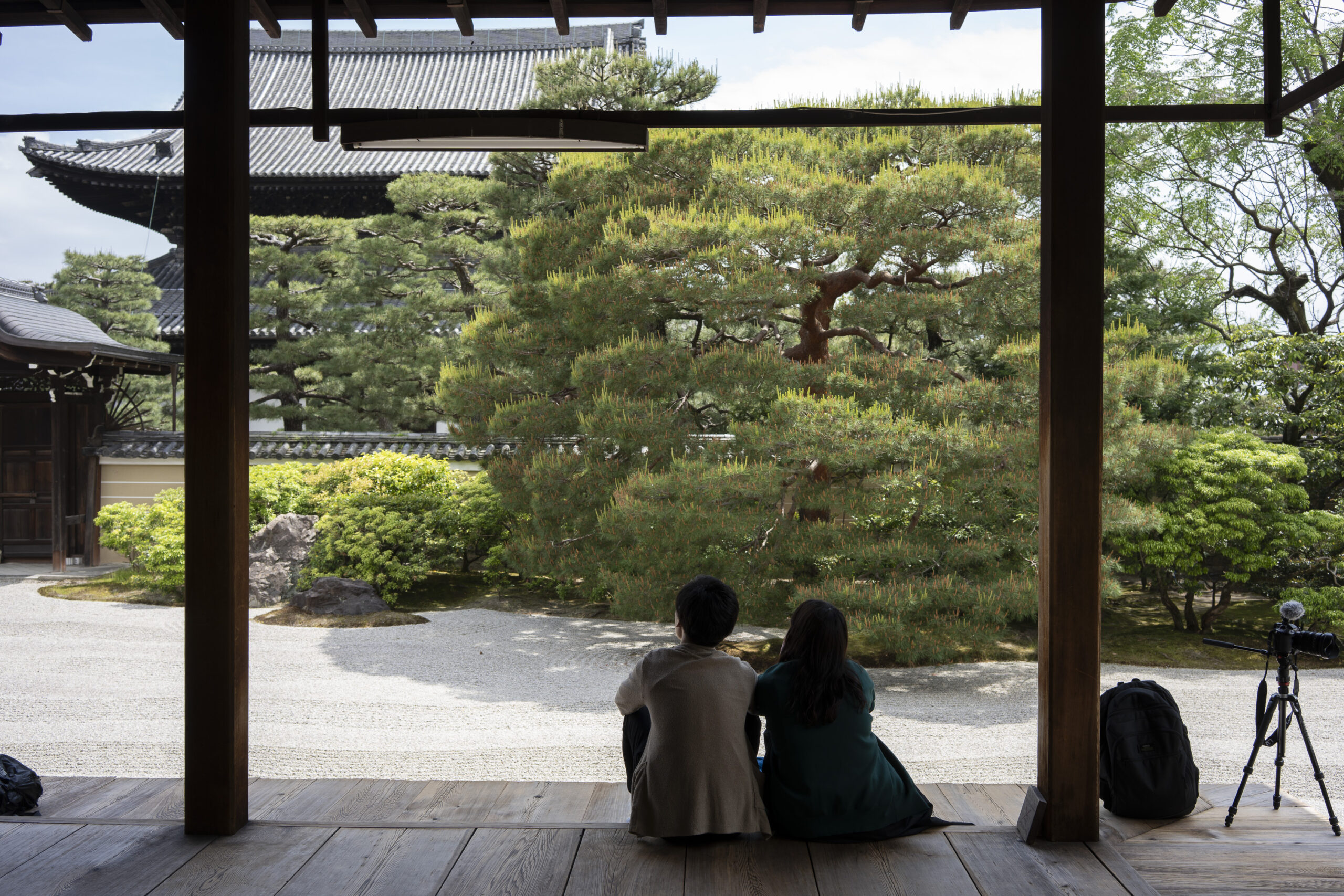
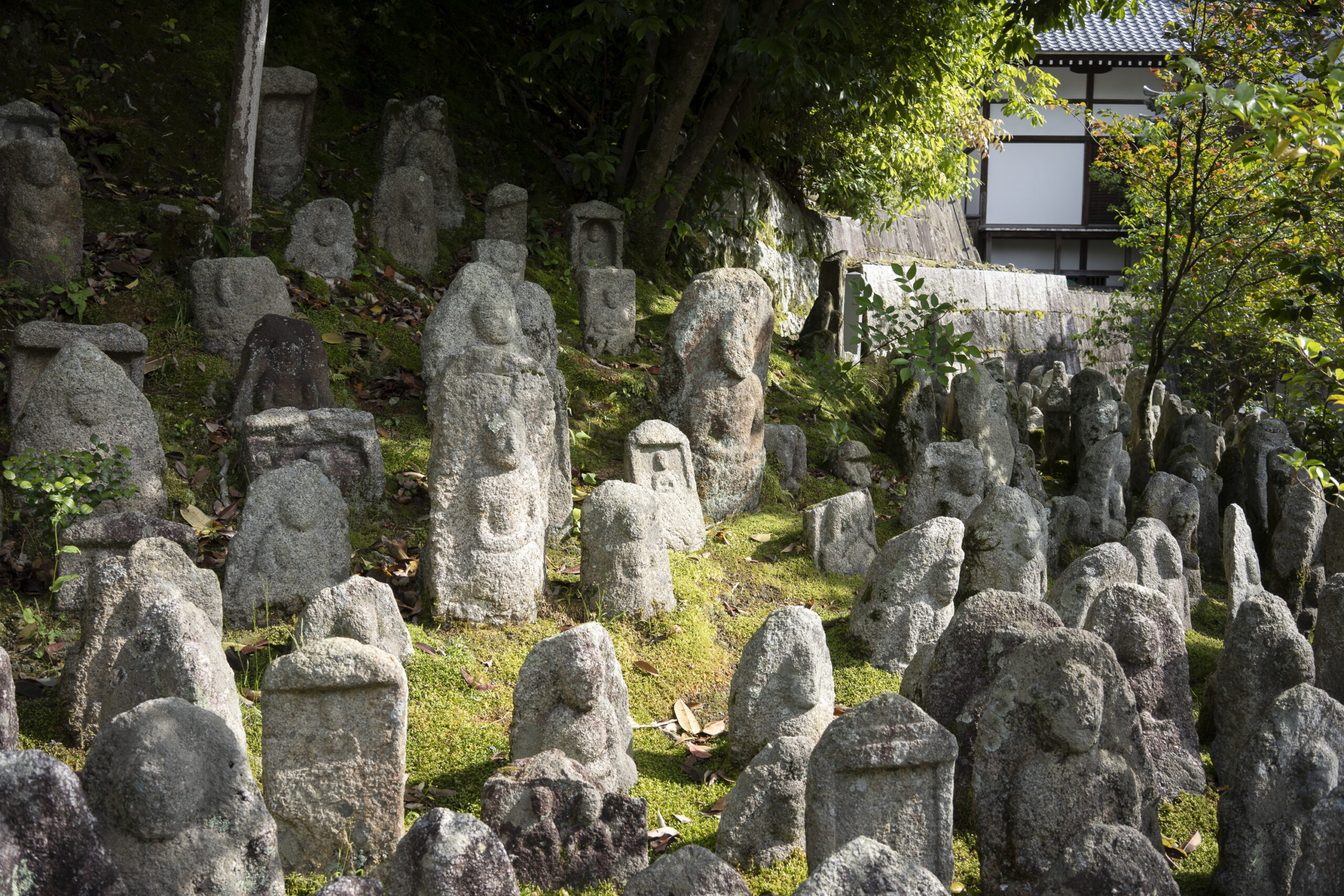
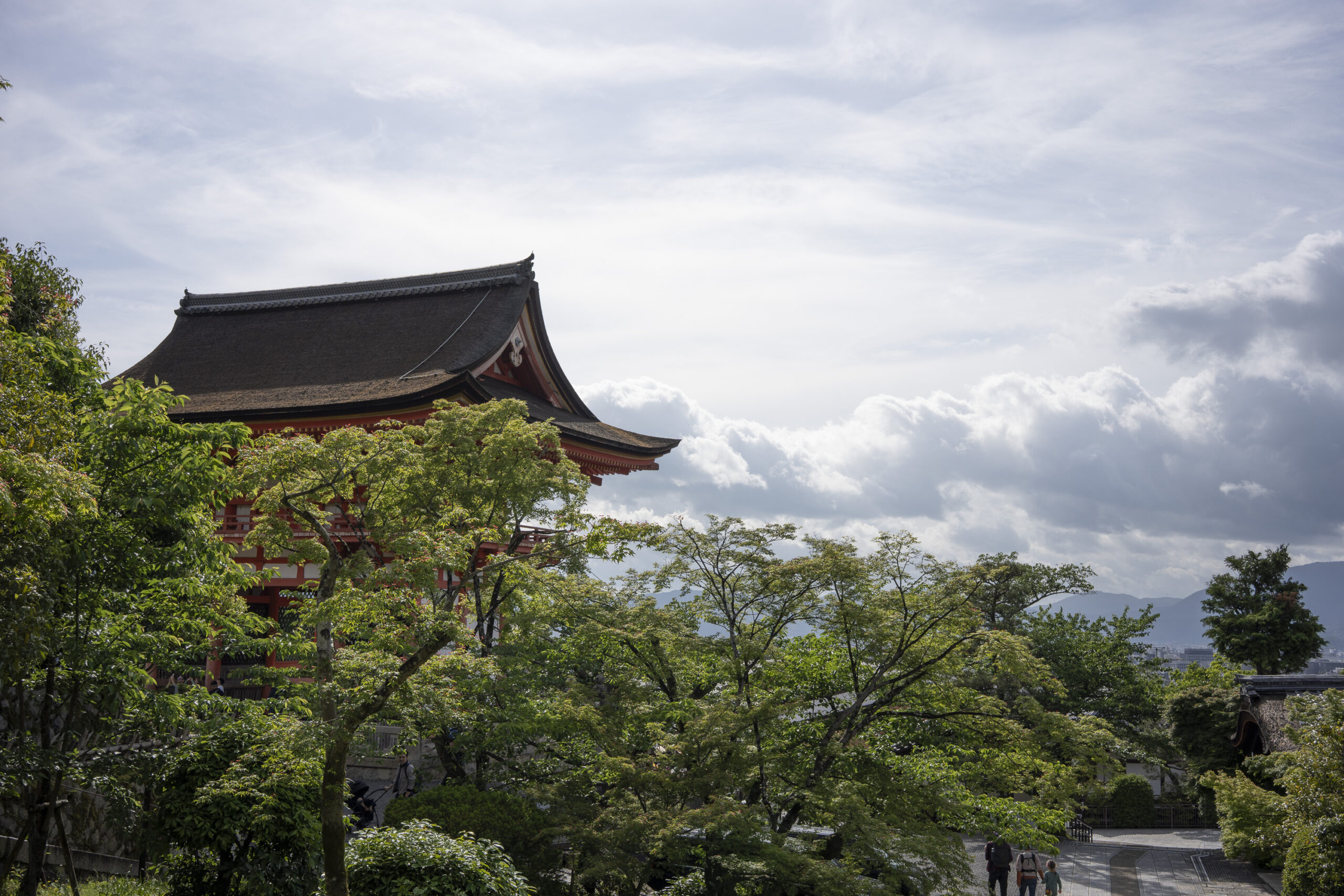
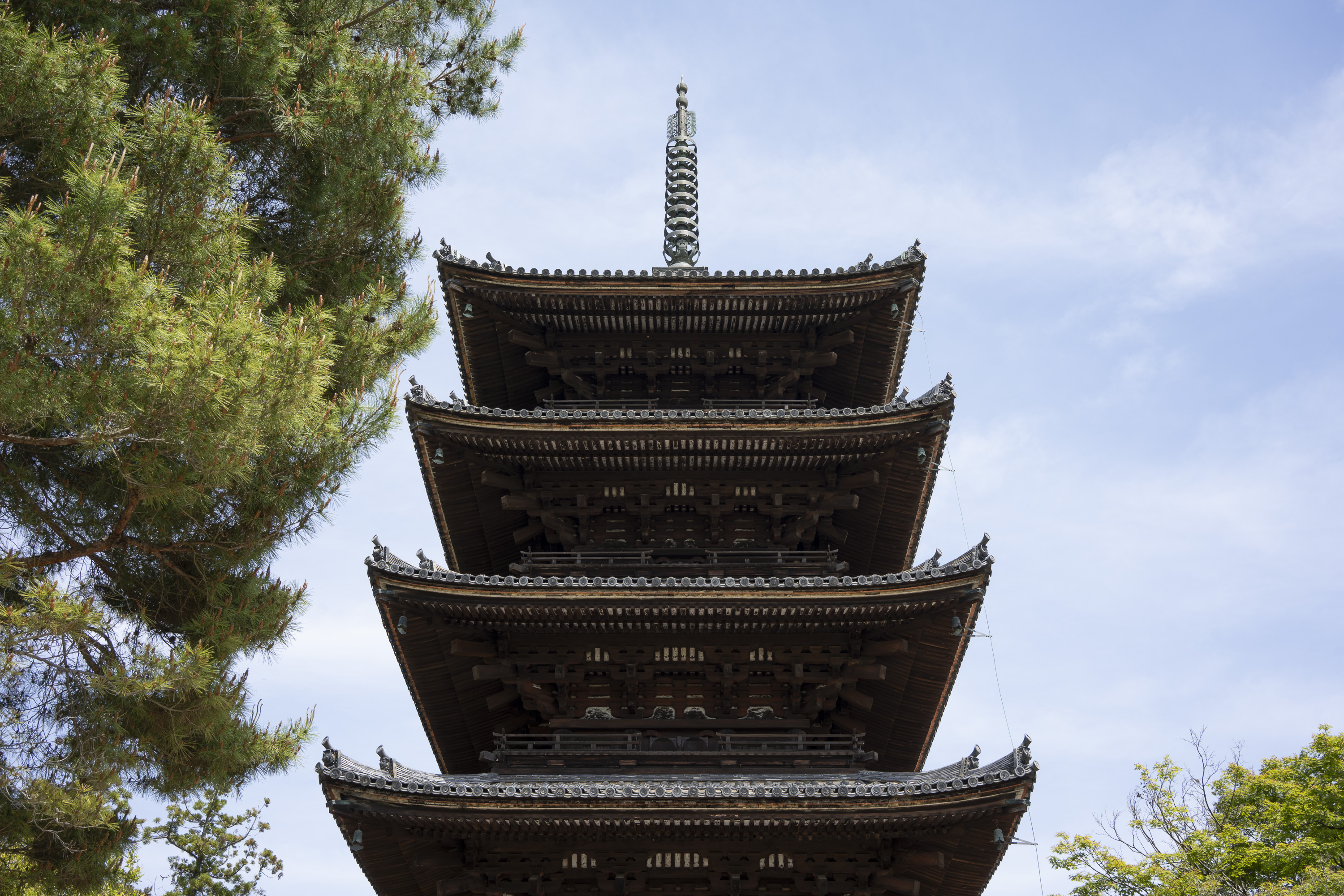
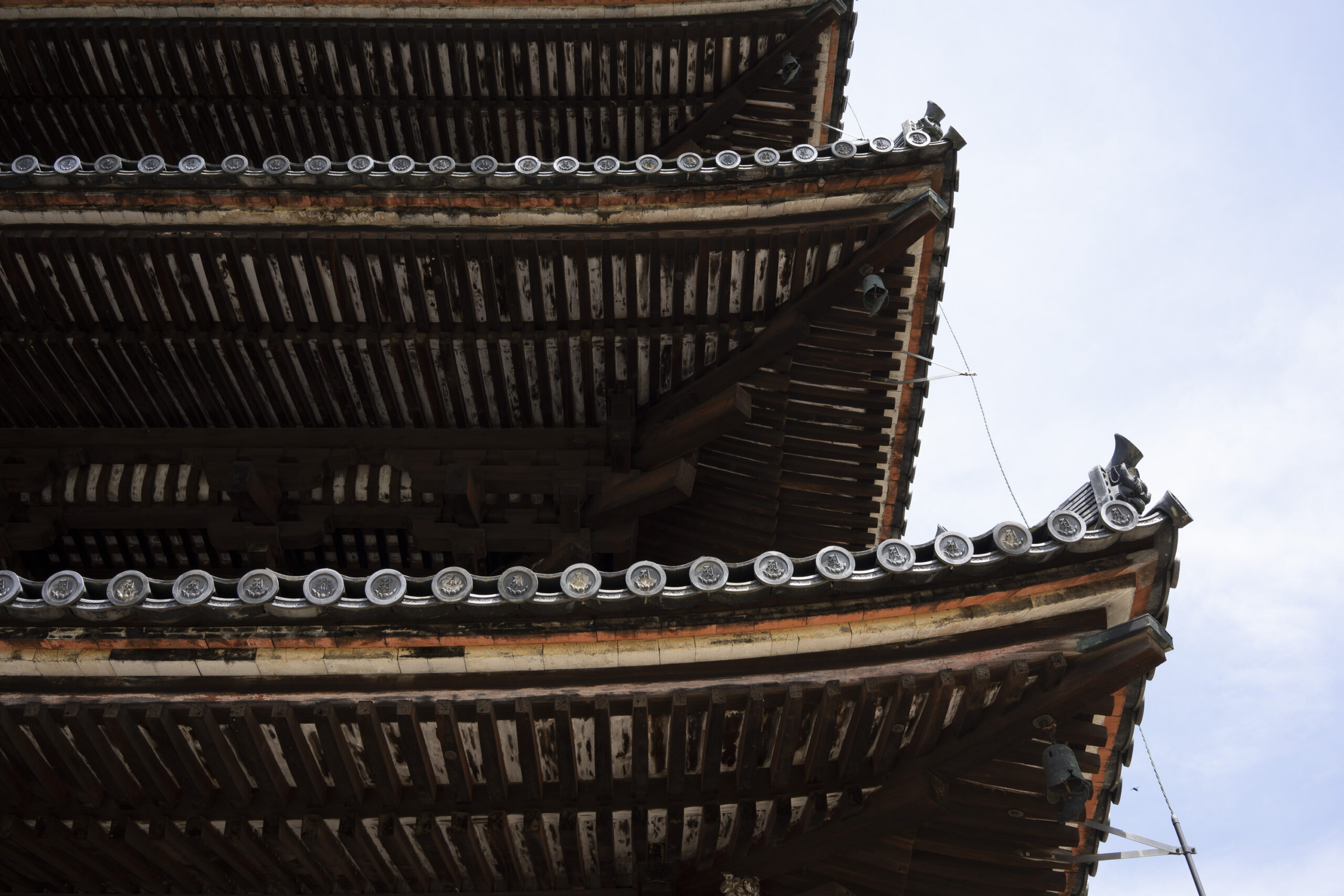
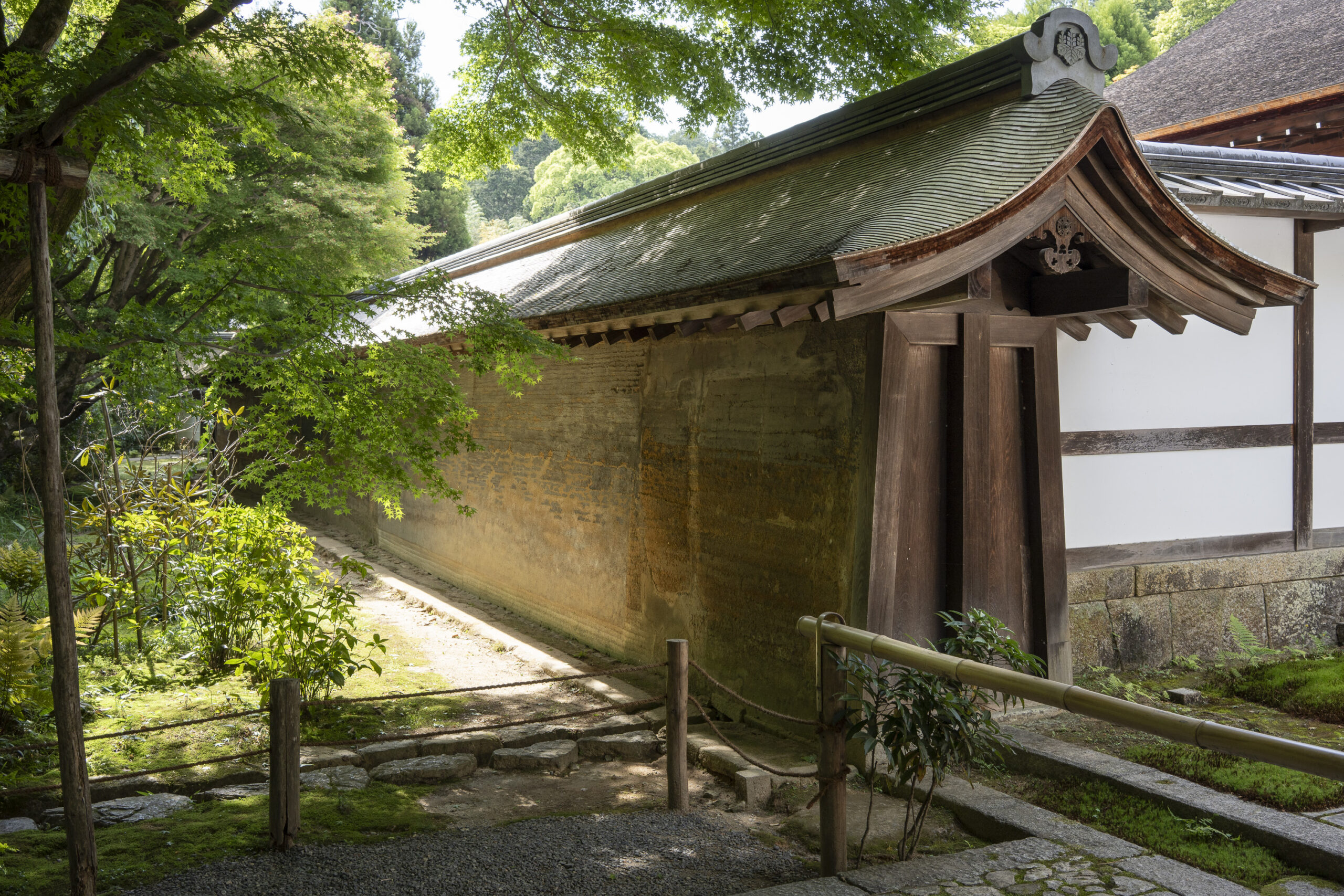
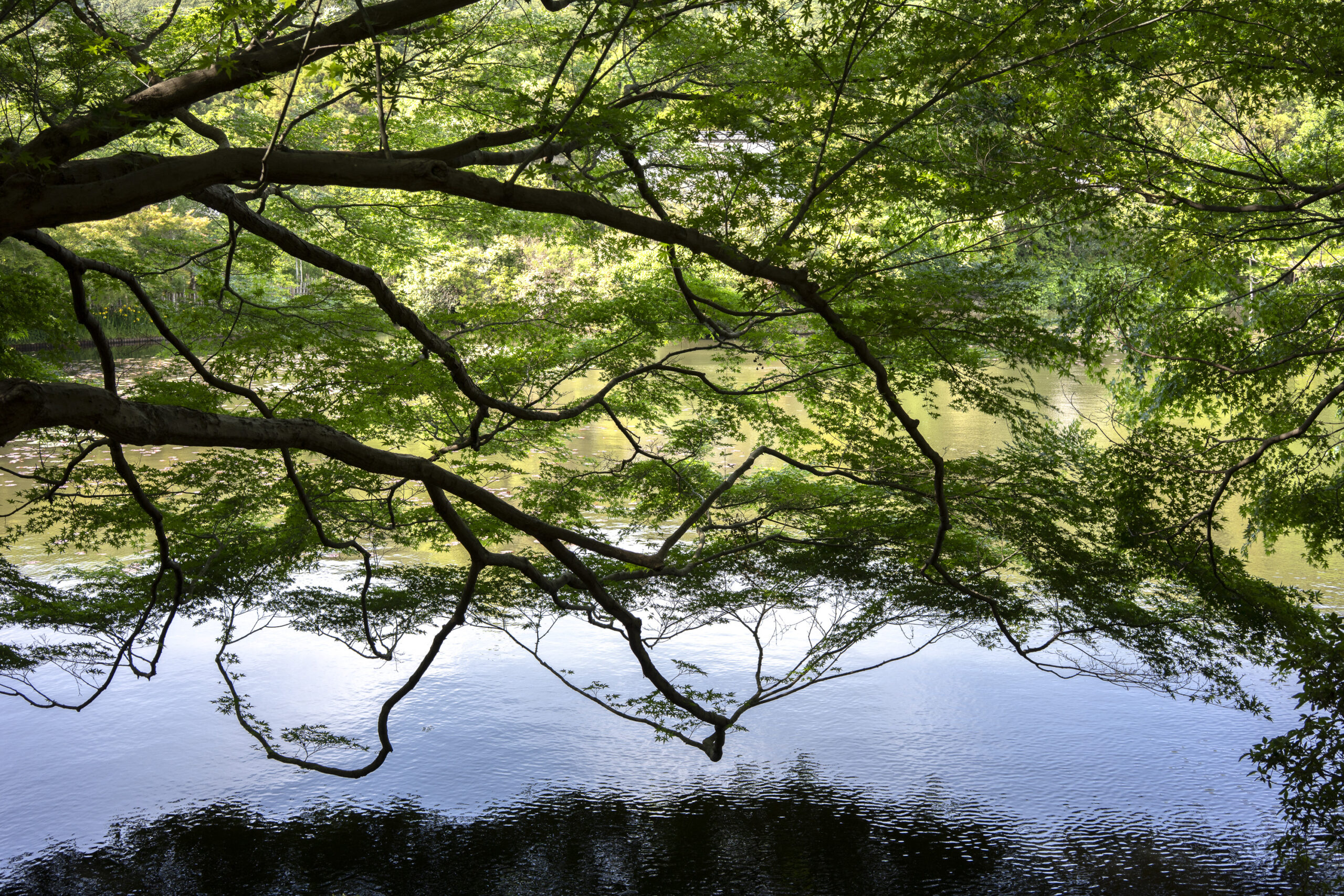
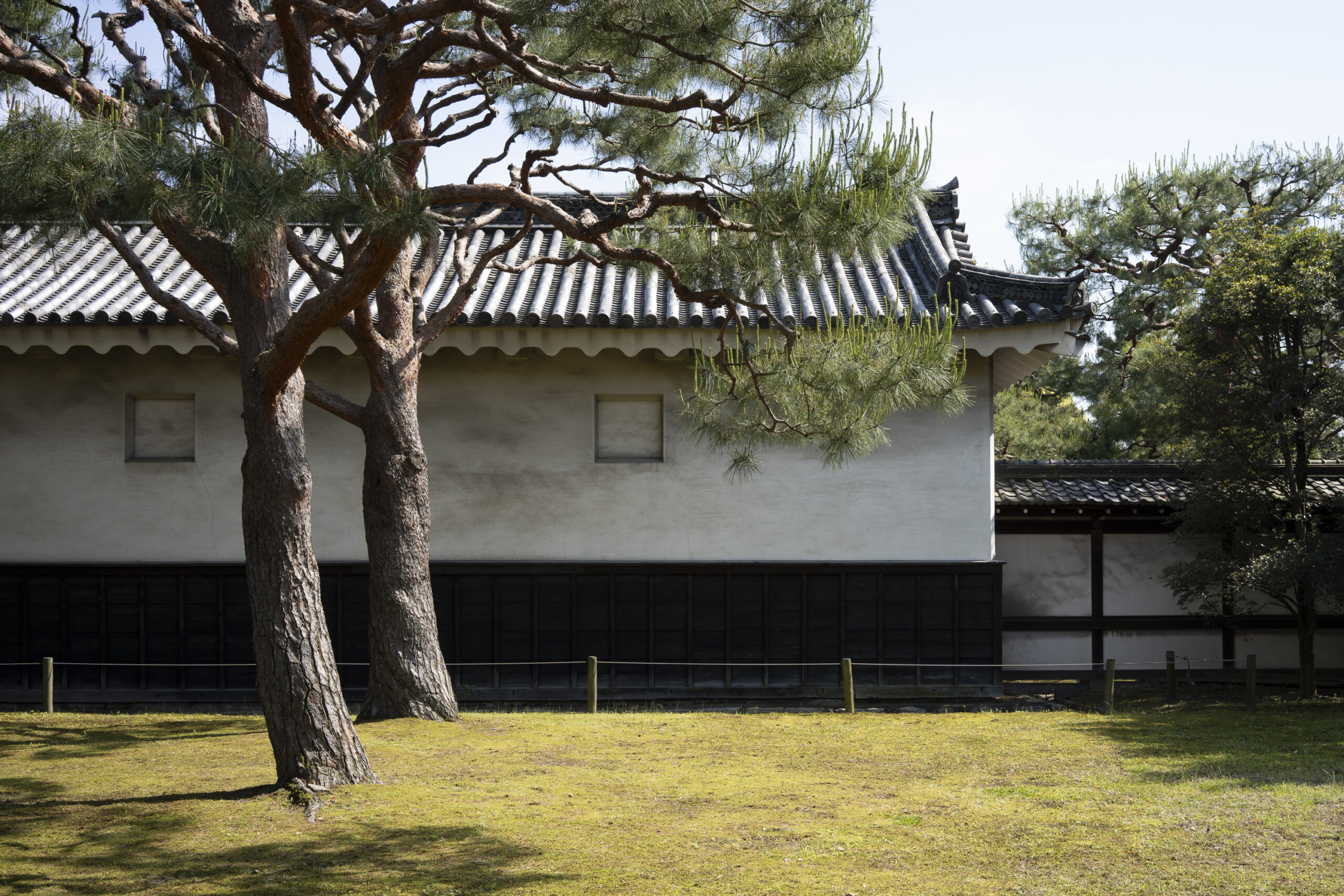
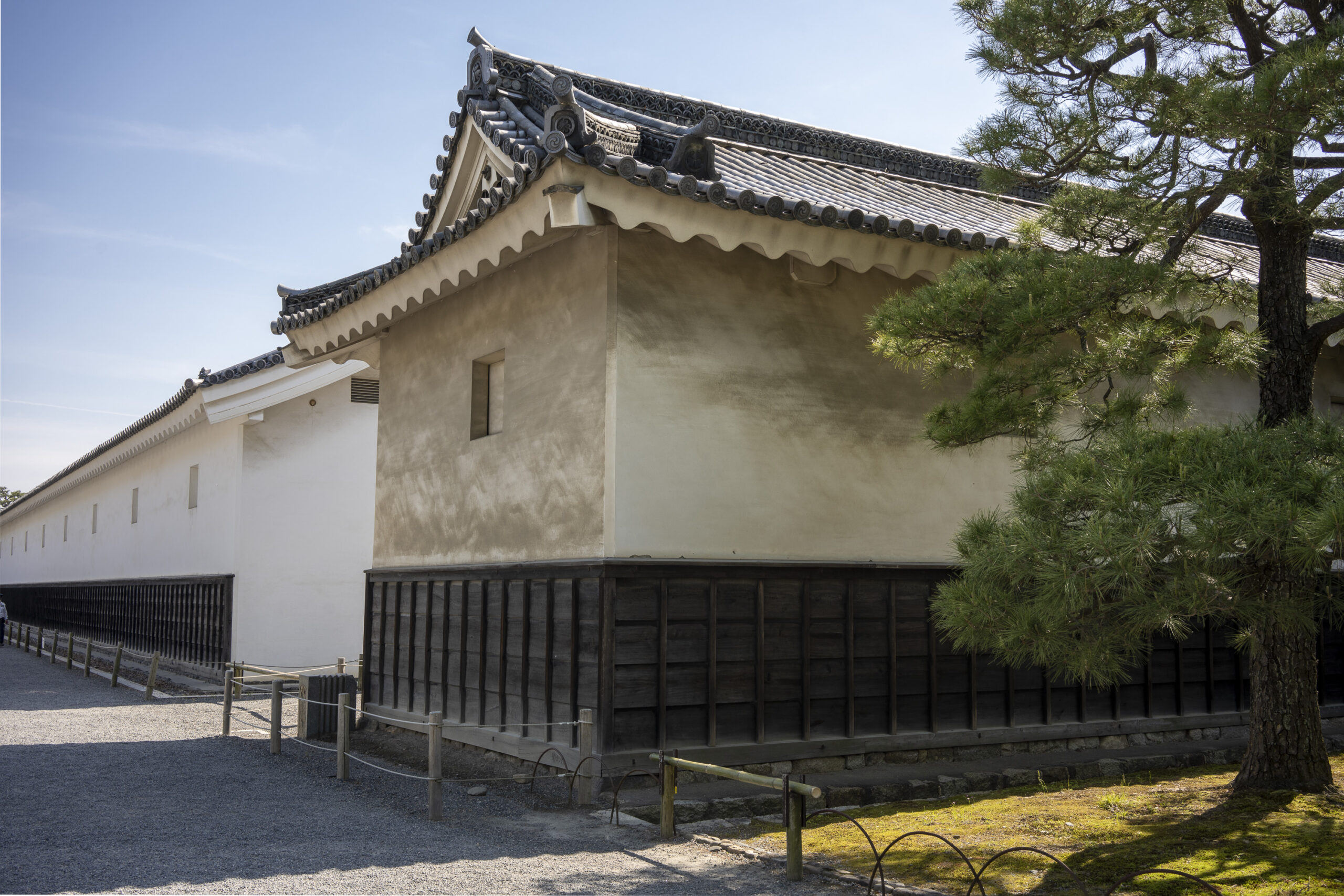
Kyoto’s street plan was originally laid out in 794 when it became Japan’s capital city. The rectangular grid was based on the planning model of the capital of China at the time, Chang-an. Today there are still Kyoto streets that go back to that period. In the area where I stayed there were a lot of narrow lanes – too narrow for automobile traffic, but with wide enough for bike and scooter access to front doors.These narrow lanes can be nicely landscaped and quiet, with carefully designed facades and home entrances – great for walking around and exploring.The modest Kamo River flows south through central Kyoto before joining the larger Katsura River downstream. There are paths on either side of the river – pleasant to walk on, and a spot for interesting activities. This group, maybe a small art class, was sketching the facades across the river at the Shijo bridge.Farther upstream on the banks of the Kamo the figure of a young woman and her swaying skirt stands out against the bright sandy river path.Still farther upstream, the Takano River, on the right, joins the Kamo. Large boulders, with walkable shapes and jump-spacing, have been placed from either shore to the point where the rivers meet. It’s a clever arrangement – a bit like hopping across a small stream on stones, but allowing for higher water flows when the rivers rise. The point appears to be a popular gathering place – on this afternoon there was a steady stream of students meeting up. There was enough distance between the boulders to require a little athleticism and balance to make it across.There are canals in the city as well, originally constructed during the Meiji period to bring water from nearby Lake Biwa to the city for transportation, power, irrigation, and drinking water.The Philosopher’s Path is a two-kilometer path that follows a small branch of the Bila canal system. It runs between two well-known temple complexes. It got its name because a 20th century Japanese philosopher, Nishida Kitarō, apparently used the path for daily meditation.In some places the small canal adjacent to the Philosopher’s Path is deep, its stone walls covered with vines. It’s the end of the day when I finish walking the Philosopher’s Path. The roofs of a nearby temple complex are silhouetted against the sky and distant mountains.This photo was taken on one of my first visits to a temple with gardens. The temple complexes usually have a number of structures with careful landscaping.Here a couple is sitting quietly and taking in a stone, or dry garden. In such gardens trees, plants, and interesting large stones are usually integrated into a sea of small pebbles that are raked into interesting designs.Buildings in such complexes often look out onto carefully shaped landscapes of shrubs, trees, water, and paths. Exterior walls can be large panels that slide open, to eliminate the barrier between the interior and the surrounding gardens.Dragons on cloth stretched across a ceiling at a temple complex. The composition and detail is impressive – and the dragons don’t look all that scary.This is the Niōmon gate entry to one of the best known temples in Kyoto, Kiyomizu-dera – an extensive complex of exquisitely crafted structures sited on the side of Mt. Otowa, on the east side of the city, overlooking the Kyoto Basin. Just inside the Niōmon gate, the Three-story Pagoda rises with beautifully curved and cantilevered roofs. The pagoda and most of the other structures at the temple date from the 15th and 16 centuries. The vibrant orange-red paints are highlighted with bits of yellow at the end of the beams and other structural elements.The main temple building, the Hondo (Main Hall) is the central building in the complex. It was built on a part of the hillside that is almost vertical, with an interesting framework of tall posts that support a wide “stage”, or veranda. If one looks closely one has to be impressed with not only the design, materials, and craftsmanship of the structures, but also with the elegance of this recently added detail, a sleek stainless steel gutter. Notice the gracefully shaped and slender supports for the gutters, and the way they are attached to the structure.It seems as if the roofs are where the majority of the design and execution effort went into these structures. Here two roofs face off against each other – the one on the left a precisely thatched affair with ornate ridge tiles and graceful upward curves at the edges and corners – the other, on the right, with a fully tiled ridge and decorative beam elements that run down the slope of the roof.A closer look at the roof-end tiles on this structure – beautifully done. Notice, also, the elegant addition of detail to the large curving beams, with subtle lines of the recesses that follow the curve. Beam ends and other selected elements have been painted white to stand out – nice.Looking at the Hondo from a different direction one can see the rising slope of Mt. Otowa, with trees in blossom.The extensive grounds of Kiyomizu-dera include little nooks and crannies that have been carefully planned and cared for. I watched gardeners picking up the tiniest leaves from garden beds.Little weathered statues of the Buddhist guardian deity Jizo. From Wikipedia: “they are the protectors of children and travelers. Grieving parents place these statues, often with red bibs, in a shrine to comfort the souls of children who died before their parents, believing Jizo helps them avoid suffering in the afterlife.” A last look at a Kiyomizu-dera roofline before moving on to other sites.The Ginkaku-ji (Silver Pavilion) is a Zen temple with an impressive moss garden and moss-bordered winding paths that climb a hillside – unusual and beautiful.The moss-bordered path continues back down the slope, following a little stream and shaded by Japanese maples.At the Ninna-ji temple, looking out from one of the structures onto the pleasing composition of a group of adjoining roofs.The underside of a projecting roof catching some reflected light from below. The selective white paint on the wood roof elements is a nice touch. The five-story pagoda at Ninna-ji. The dark, almost black, surfaces of its unfinished wood elements are an interesting contrast to the colorfully painted pagoda at Kiyomizu-dera.Looking up at the corners of the pagoda’s successive roofs. You can see a stripe of orange at the edges of the roof boards – so there was some thought in the past of livening things up a bit. Here the white paint that is sometimes at the ends of the roof wood elements, is applied to the boards between.The exterior of the wall containing the Ryōan-ji dry garden. It’s made of clay, with a beautiful linear roof of very small wood shingles. Note the way the roof gable was shaped – exquisite.Looking down into the pond at Ryōan-ji through a veil of branches and leaves.A similar view – here you can make out the star-shaped leaves of the Japanese maples.The Nijō Castle is a complex that include fortifications, the Ninomaru Palace, additional palace ruins, and various support buildings. Here, again, the roofs stand out for their graceful design and precise craftsmanship. The remaining photos in this post are of the castle’s more modest support buildings. From Wikipedia: “In 1601, Tokugawa Ieyasu, the founder of the Tokugawa shogunate, ordered all the feudal lords in western Japan to contribute to the construction of Nijō Castle, which was completed during the reign of his grandson in 1626.” Elements of this photograph that I like: The curve in the trunk of the pine happens to mimic the curve of the dark stain on the plaster wall beyond. The stain on the wall shows the path of water flowing off the edge of the roof.I like the light and the pine tree in this photo. An interesting note on the building: The wall at right is getting additional support with a series of free-standing stone posts that are connected to the structure with short timbers. Maybe they added support in this way in order to leave the original structure in place?Another image with nice light. Here the pine trees have twisting trunks and upward turned clusters of pine needles. The plastered white wall has soft stains.For all the fancy structures at Nijō Castle, I like these simpler and sturdy storage structures. They are called Dozō, and were used as large rice storehouses and rice breweries. There are three left at the castle compound, but originally they numbered ten. The bottoms of the roof beams have been enclosed in a scalloped casing.